Category Archives: The Arts

Cardiff A–Z: Y is for Y Senedd

Katie Hamer continues her A–Z series with an investigation into the heart of Welsh politics. Here’s what she discovered…
DSCF3827

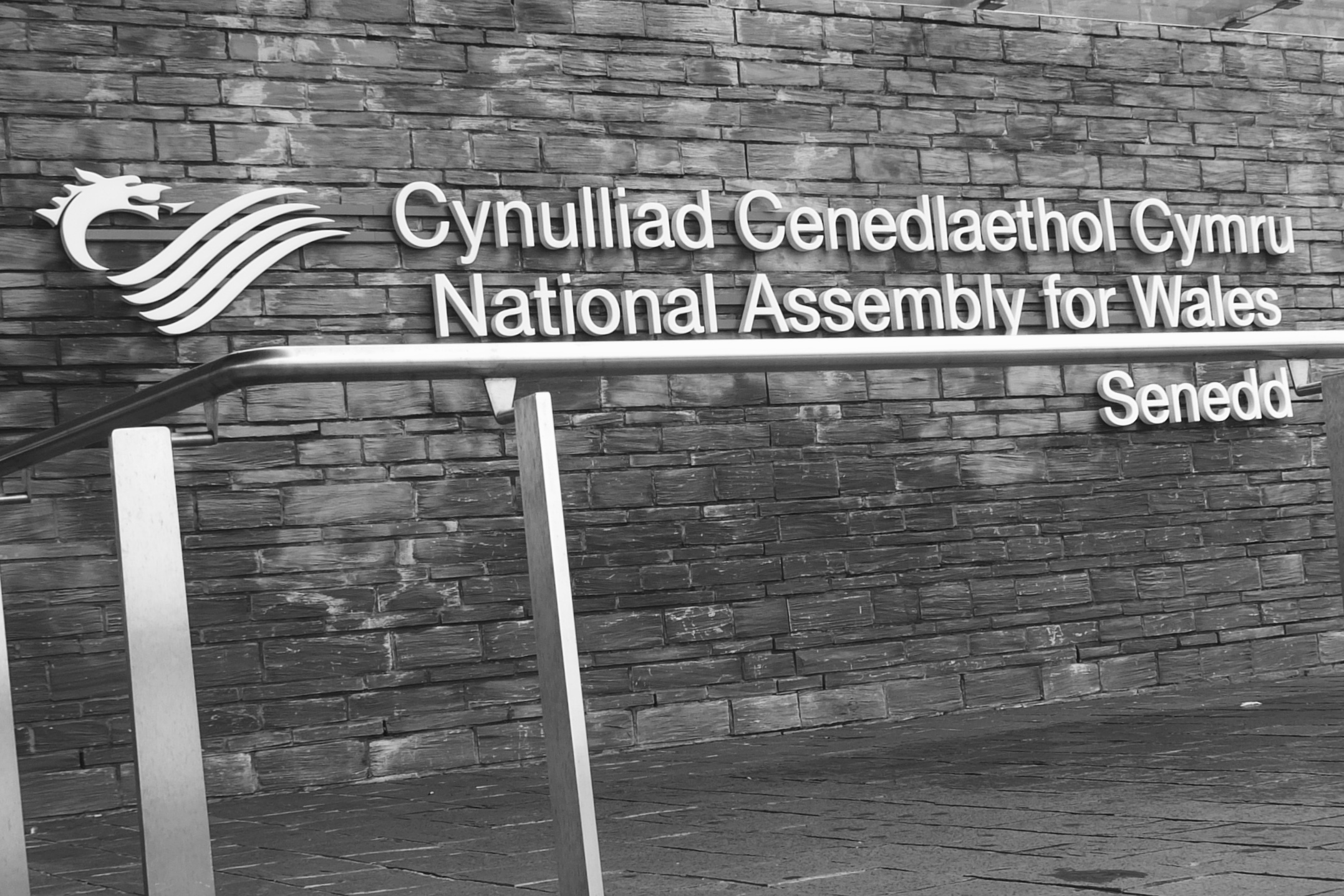
And so I reach my penultimate article. For this one, I chose a landmark with a distinctive Welsh name: Y Senedd. And my reason for this choice? Well if there’s anything that puts Wales on the map, it’s the shifting face of politics, and Y Senedd (Welsh Assembly Building) places Cardiff firmly on the political map of the United Kingdom.

Also, disclaimer – I realise that the ‘Y’ in Y Senedd means ‘the’ in English … but I wanted to get the Senedd in somewhere, and had already done a post for S…

DSCF3408

You could argue that, as I’m born English, how could I possibly understand the unique political situation required by a country like Wales? Indeed, this would be a valid question to ask, as, before I moved to Wales two decades ago, I had little or no understanding of what it is to be Welsh.

However, upon moving to Wales in 1995 to study in Swansea, it didn’t take me long to realize that central governing from Westminster made little sense here. I am a supporter of the steps devolution that commenced in 1997, as I can see how it benefits Wales.

DSCF3821

It’s this devolution that has ultimately led to the creation of this Welsh home of politics, which became fully functional in 2006. The building, with its fully-glazed façade, is designed with full political transparency in mind.

The political debates take place in full-view of the general public thus re-enforcing the all-inclusive nature of Welsh politics. It is possible to watch the Assembly in motion from the Plenary (Public Gallery). You can also go on a guided tour of the public areas of the building. The guided tours and access to the Plenary are both free of charge, and available to the public for most of the year. Advanced booking may be required, and it’s worth getting in touch with the reception before visiting to avoid disappointment.

DSCF3840


I’d been lucky enough to get in touch with Gareth, the Tours Manager, prior to visiting the Senedd. He very generously provided me with a one-to-one tour of the areas open to the public, and I learned some fascinating facts.

Proportional Representation

The Assembly has 60 members. Forty of these represent the 40 constituency areas. The remaining 20 represent the five regions of Wales (four Members are elected within each region). The Regional Assembly Members are elected by semi-proportional representation; this process re-addresses the imbalances of power that often result from first-past-the-post politics. Each person in Wales is thus represented by five Assembly Members, who make laws and ensure that the government is run efficiently.
DSCF3824

Environmental Sustainability

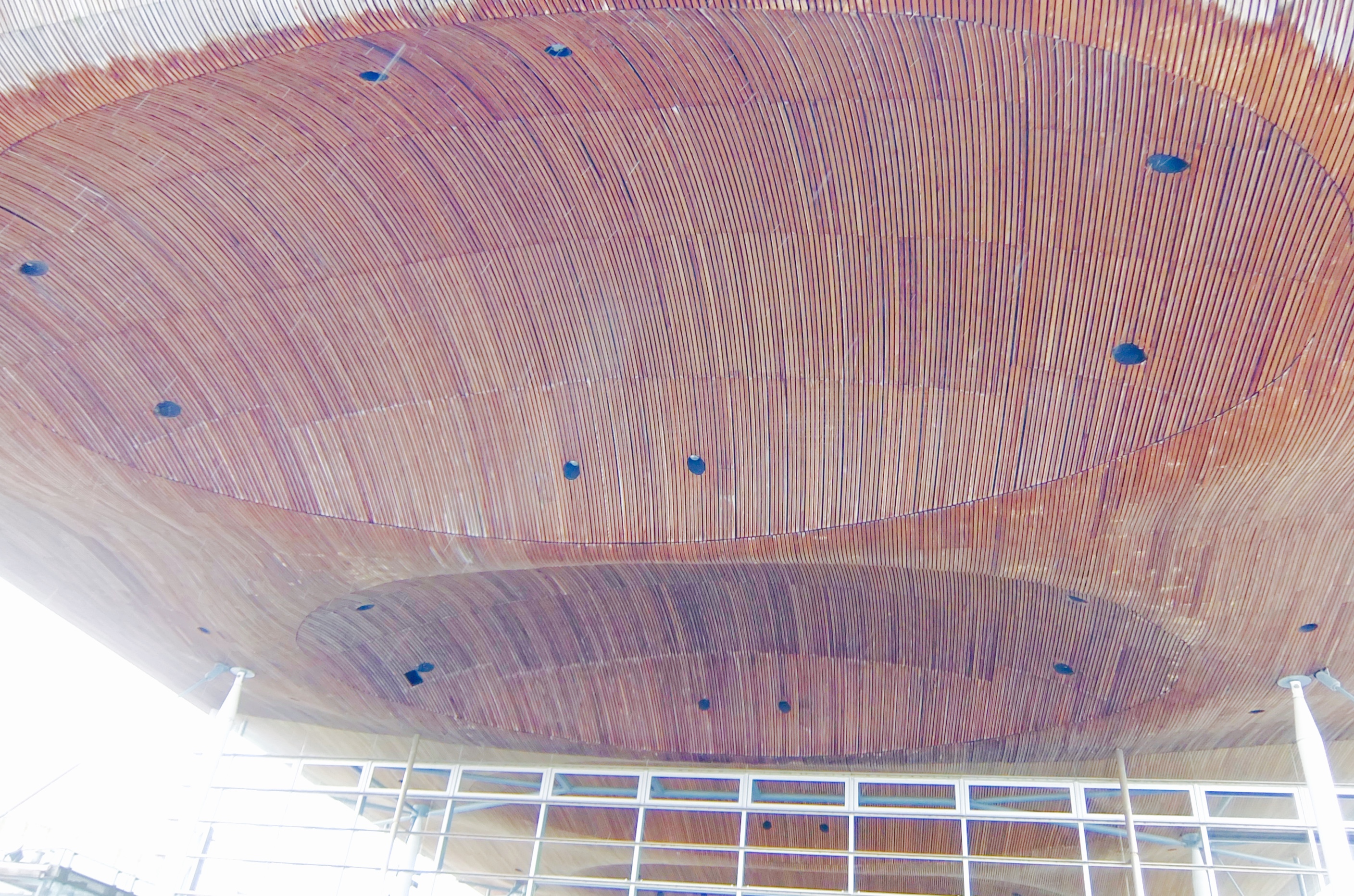
Like the Millennium Centre, the Senedd is built from sustainable materials, which are sourced locally wherever possible. Welsh oak and slate are used throughout the building, although the roof and the funnel are constructed from Western Red Cedarwood sourced from Canada. This was chosen because its natural oils mean that it is low-maintenance, as well as being a stunning feature. The structure is designed to last for 100 years, from the date the building became fully functional.
DSCF3845

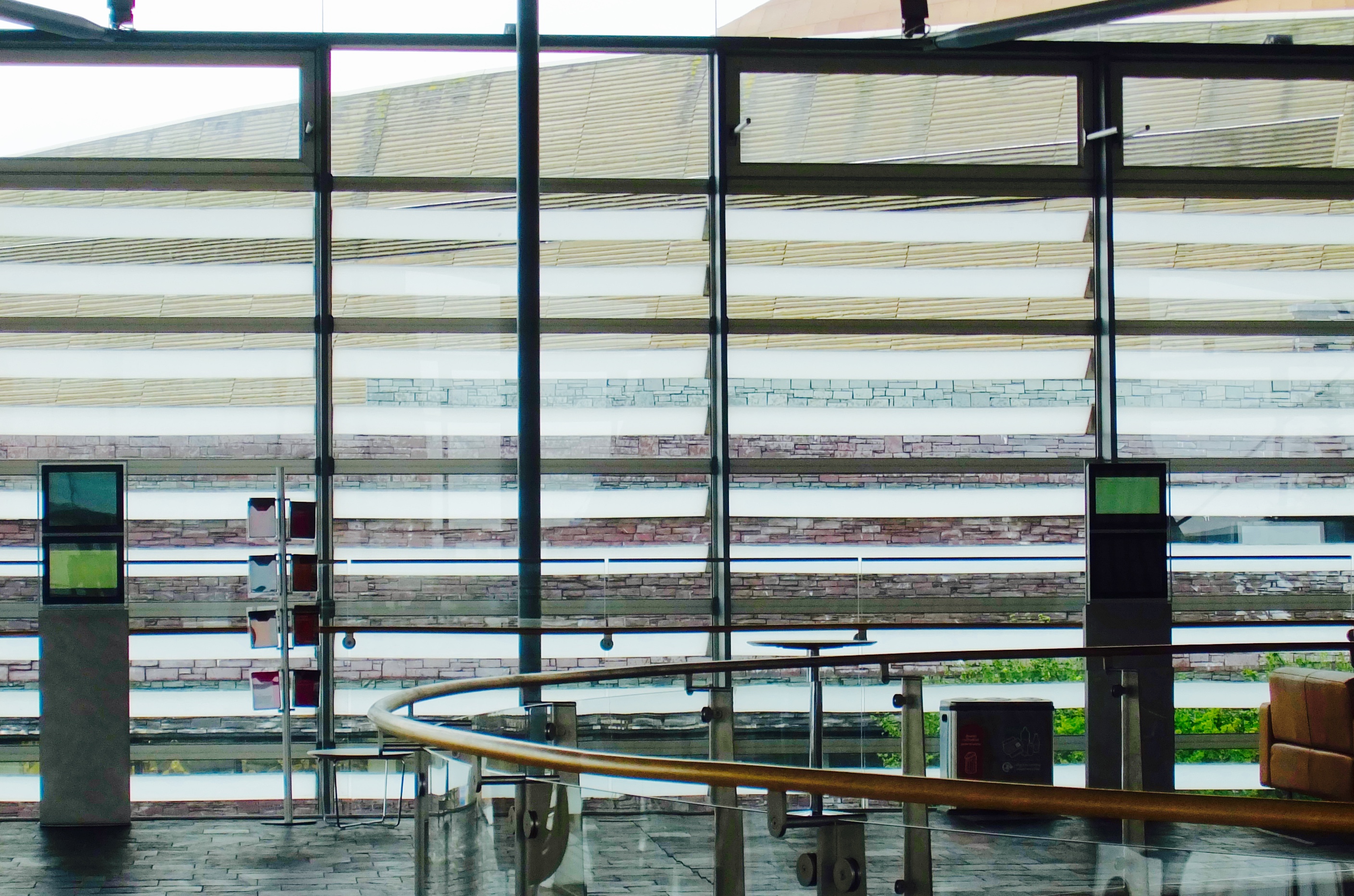
The building’s sustainability also factors in environmental concerns. Steel pipes at the front of the roof harvest rainwater to be recycled in the building’s public conveniences. The windows, another environmental feature, are made from reinforced and insulated glass. They open and close automatically, providing a consistent temperature and humidity throughout the building.

DSCF3835

Structural symbolism

In the centre of the Siambr, (debating chamber) is a beautiful glass sculpture. Entitled ‘The Heart of Wales’, it has been created by Swansea-based artist Alexander Beleschenko, and is made from painted glass up-lit by fibre optics. Apparently:

‘The dots symbolise ideas flowing outward from the Assembly and feeding in from the people of Wales.’*

DSCF3834

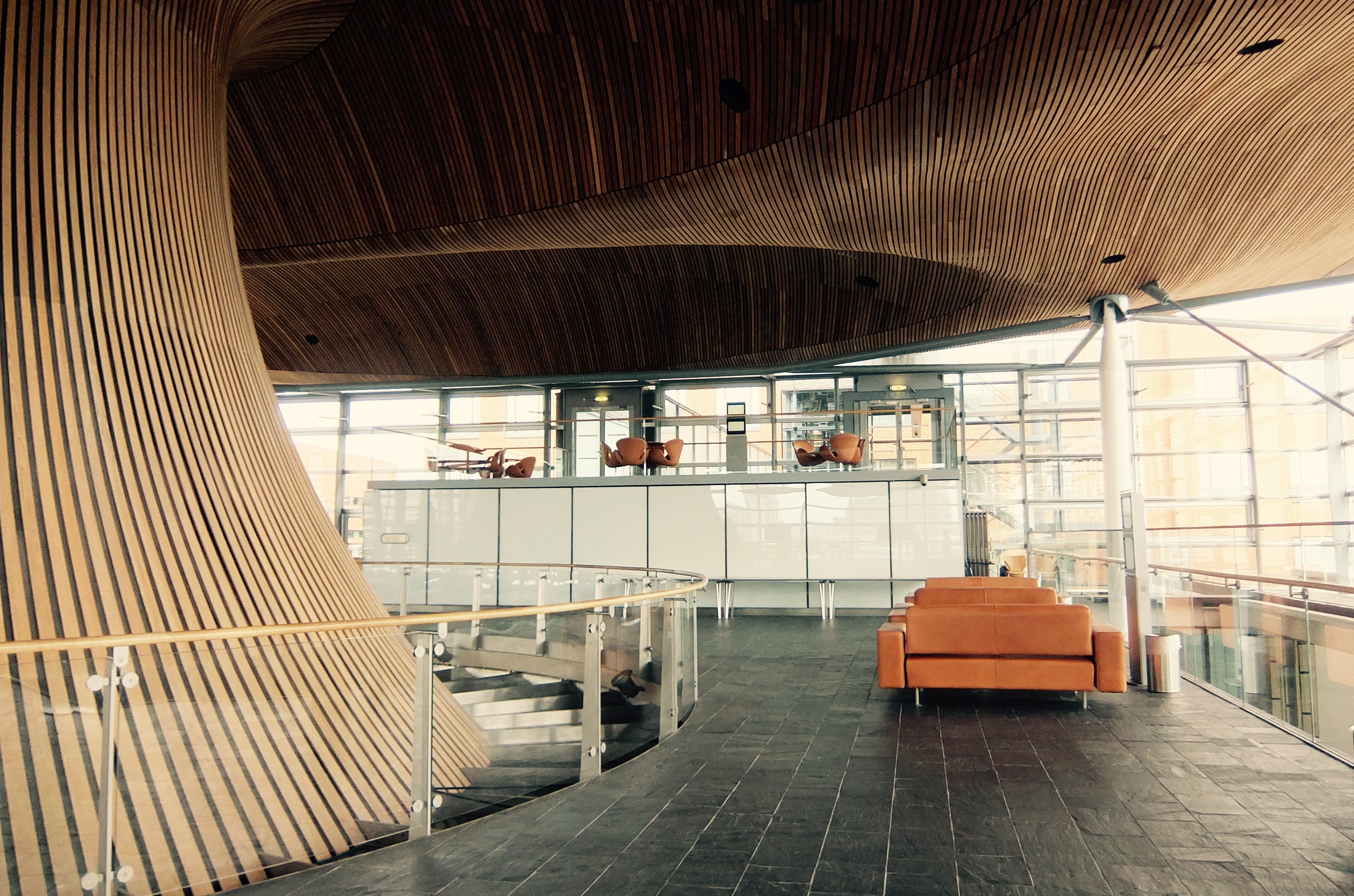
The funnel, which is the central feature of the Oriel (or Gallery), is meant to symbolise the tree of life. It clearly represents a well-established tree, with roots that delve deep into Welsh traditions and culture. One of my information booklets states:

‘The tree-like shape of the funnel is intended to encourage visitors to meet here and share ideas.’**

It also filters natural lighting into the Siambr through a glass lantern situated at the top of the funnel, another conservation feature.

The Welsh Language

I also discovered that Gareth, my tour guide, is a very committed Welsh-speaker. He enthused to me about the promotion of the Welsh language and the future of devolution in Wales. The information he  provided me with would have been enough to fill five articles. So Diolch, Gareth! I’d say it’s well worth going on one of these guided tours. I certainly learned a lot.
DSCF3847

Refreshments are also provided for visitors, and they have a lovely coffee shop with a good selection of food and beverages. You can also sit on one of the Swan chairs within the Oriel and watch the world go by in the Bay.

Other places of interest

There is a place for art exhibitions within the Neuadd (front-of-house reception area). Exhibitions are free to view and often reflect local themes.

DSCF3843

You can find more information on the Senedd and the surrounding community here:

Senedd Community FB page

Senedd website

I hope you enjoyed reading my article. Until next time!

and ** are taken from the ‘Explore the Assembly’ booklet, which is freely available to visitors.

Don’t miss Blud, playing at Cardiff’s pub theatre The Other Room until Fri 18 Sept


Cardiff’s pub theatre The Other Room, located in Porter’s, has opened its second season (entitled ‘Blue Sky’) with new play Blud, written by Wales Drama Award winner 2014 Kelly Jones. Blud has had great reviews, and is still running at The Other Room until Friday 18 September. It’s even been featured in the Guardian’s Top Ten Tickets this week! (Get your tickets here)

blud

Blud is a co-production between The Other Room and otherMother, a new Welsh, all female theatre company set up by producer Olivia Harris, director Anna Poole and playwright Kelly Jones. The play is a powerful and authentic exploration of the call for war in a town defined by football. Artistic Director of The Other Room Kate Wasserberg comments:

“When I first read Blud, a play about those girls who are left behind and desperate to belong, it broke my heart a little – and made me laugh out loud. Never allowing her characters to become victims, Kelly tempers the violence and vulnerability of these girls with a celebration of their courage, humour, loyalty and the wild passions of their imagination. It is work like this that has the power to inspire the next generation of audiences, of theatre makers and all of us – to make the world a little better. otherMother is a company of brilliant women with big ideas and I could not be more proud that their very first show will be at The Other Room.”

Playwright Kelly Jones comments:

“For me Blud feels very much like a play about the town where I’m from (Dagenham). It tells the story of an area once rich in industry but now struggling, left a wasteland with no opportunities or hope. The inspiration for the play came from my love of football and an article I read about a female football firm in the 1980s who claimed they were fighting for the working class under Thatcher’s government. The process of writing the play has been exciting and involved myself studying the art of football tactics and war strategy, which feeds in to the internal structure of the play.”

Blud is the opening production of The Other Room’s second season ‘Blue Sky’, which also features Your Room (Mon 5 October – Sat 14 November), six weeks where hundreds of local artists will be invited to make work in the theatre with scratch performances, masterclasses and pop up events, and a Christmas production Alix in Wundergarten (Tue 1 – Sat 19 December), from resident company difficult|stage.

The season underlines The Other Room’s ambition to be a new, exciting and innovative voice within the cultural landscape of Cardiff. Artistic Director Kate Wasserberg explains:

“The idea behind ‘Blue Sky’ is simple. We are throwing open the doors and inviting the artists of Wales in. The sheer range of this season is thrilling, as we flood our little stage with hundreds of voices from this brilliant city. This is what The Other Room was made for, and we are very proud to be a home to the artists of the future.”

The Other Room’s second season will also feature various ‘TOR Presents’ events, including creative team members in conversation, guest speakers and cast talkbacks.

Tickets for Blud are available NOW from www.otherroomtheatre.com.

To keep updated on The Other Room, you can also follow the team on Twitter @TORtheatre and Facebook www.facebook.com/otherroomtheatre


Noel Sullivan’s (brief) return to Cardiff

You’ve probably heard of Noel Sullivan: previous member of Hear’Say, star of stage and screen, and most notably Nessa’s mate on Gavin and Stacey. He’s also a born and bred Cardiffian, and returned recently to perform in the stage adaptation of Dirty Rotten Scoundrels at the Wales Millennium Centre. Writer Rhonda Lee Reali caught up with him for a chat about what he’s been up to since those heady days on Popstars.

DIRTY ROTTEN SCOUNDRELS. Michael Praed (Lawrence), Carley Stenson (Christine) and Noel Sullivan (Freddy). Photo by Phil Tragen

Noel Sullivan returned to the Wales Millennium Centre in the musical, Dirty Rotten Scoundrels in August this year, to play the role of Freddy Benson, the charming American that Steve Martin made famous in the 1988 film.

Noel’s first professional role was as an understudy with Welsh National Opera starting at 13. Before there was Pop Idol, X-Factor or The Voice, there was Popstars, and he burst onto screens in 2001 as part of Hear’Say, who won and went on to sell nearly three million records worldwide (two number one singles and a number one album), but then split after less than two years together.

Sullivan, 35, was honoured to take part in the Royal Gala Opening at the Millennium Centre in  2004. He went into musical theatre and hasn’t looked back. He’s acted, danced and sung his way through an impressive list of shows including Fame, Love Shack, Flashdance, Priscilla Queen Of The Desert and Rock Of Ages. Besides being in the UK touring shows, he made his West End debut as Danny Zuko in Grease and also performed as Galileo in the Queen/Ben Elton megahit We Will Rock You. He’s lived in the US for almost two years, treading the boards in Las Vegas doing Simply Ballroom and in the Midwest with the deceptively named The Twelve Irish Tenors. He’s even guest starred on Gavin & Stacey(yes!) and has a new album out, Here I Go Again. He very kindly took time out between Dirty Rotten Scoundrels and being en route to BBC Radio to speak to me about Cardiff, choirs, conmen and cuisine.

noel

We Are Cardiff: What area of Cardiff are you from originally?

Sullivan: I grew up – my early years – in Grangetown. Then, later on, secondary school time, I was up in Caerau. I went to Mary Immaculate HS.

WAC: Were you a choirboy?

Sullivan: I was, yeah. A bit of a selection of choirs. For a little while, I went to St. John’s College. I was part of their choir school, at the Cathedral Choir there for a few years. Then after that, kind of South Glamorgan high schools, and then on to Black Mountain Male Chorus Of Wales. A lot of choir experience as you would expect from a good Welsh boy. [Chuckles]

WAC: How has being in choirs prepared you for your singing career?

Sullivan: There was never any doubt that I would do anything else, really. My grandmother was a music teacher, and I had a lot of support from about six-years-old, so it’s all I ever knew. It prepared me well for musical theatre especially because my St. John’s choir had a lot of voices and personalities. You have that with a touring company, so it definitely stood me in good stead!

WAC: Music played a big part in you life, obviously.

Sullivan: My grandmother was classically trained and influenced, but then my mum kind of gave me soul. She gave me Stevie [Wonder], Michael Jackson and Earth, Wind & Fire and all that stuff. So I had quite a nice balance.

WAC: What’s more daunting – being in a musical that’s been adapted from a film/being in a revival or originating a role?

Sullivan: I’ve originated a couple of roles, but the majority of stage work has been following onto from other people. It depends on the director that you get to work with. Some people make you follow stuff like before, and other people will allow you to find the piece yourself. With Scoundrels, I was very lucky that they allowed me to find it for myself.

WAC: How do you like the role of Freddy?

Sullivan: It’s a great role. It’s a great thing to be part of. You saw the audience reaction last night. People don’t know what to expect when they come along. It was great to see the Millennium Centre on their feet. I know standing ovations are not something that they get there all of the time. It was a great night for me. Obviously, to come home with such a great part as well. It’s such a joy to perform.

WAC: Was there any different preparation for this role as opposed to others?

Sullivan: Probably more than any other musical that I’ve worked on, this is definitely more of a play with music, so we have to approach it from the book first, and the songs are almost secondary, I think. It was a massive undertaking. You have to trust the comedy and the fact your director’s telling you that it’s working right because once the cast have seen it, it’s not funny again. So you don’t know. You’ve got then a five or six-week process where no one’s laughing, and you have to trust that when you get it on the stage that people are going to understand it.

WAC: I have to tell you that your Brooklyn accent was spot on.

Sullivan: Thank you very much. I detected a hint of it there!

WAC: I’m not from Brooklyn but not far from there.

Sullivan: It was great because when I was setting it up, they said I could – it would have been impossible to try and emulate Steve Martin. He’s such a one-of-a kind-performer. By letting me pick where I wanted him to be from, it made a massive difference in my characterisation.

WAC: You got to pick that?

Sullivan: Yeah, I got to pick where he was from. Because I’m younger than a couple of the guys that played him in the West End, I came up with a back story that he could be this wheeler-dealer kid from the streets of Brooklyn who got brought up by his gran, so I had quite a good time creating that. Obviously, they get a dialect coach in to teach everyone French and to give me the things for my character. The difficulty for me was alternating the Brooklyn and the southern accents. It couldn’t be deeper south, and they’re quite opposing sounds as well. It’s been great to get that, so you could flick from one to another in a heartbeat.

WAC: You and Jameson (Michael Praed’s character) are such opposites. I think making Freddy from Brooklyn really highlights the difference between the suave Englishman and him.

Sullivan: It adds a little brashness to him, which I’m familiar with -being from Cardiff. We were talking about it with the dialect coach. I was saying, “Why is it that some accents like New York and Cardiff and Liverpool have such a hard edge?” He was explaining to me that it’s because the people who work in those cities are usually working class, and they work in nearby docks and industries. They have to shout over everybody, all the noise, all of the time, to communicate with each other. It’s a fascinating thing that it all comes down to class. People who had more money wouldn’t have to shout out to communicate. It was really interesting to learn all of that stuff.

WAC: Do you have a favourite scene or song in the show?

Sullivan: It’s Love Is My Legs for me, that smouldering 80s power ballad where I get out of the wheelchair. It’s so much fun to play. It’s not very often you get backed by a choir! [Laughs] It’s very good!

WAC: If you had friends who’ve never been to Cardiff before, where would you take them? Besides the usual attractions?

Sullivan: It’s funny because all of my friends on the cast have been texting me – where should they go, what should they see, what should they do? The fact that a lot of us are based in the bay now, is brilliant, because especially in the last 10 years, it’s transformed into such a beautiful place. Yesterday was testament to that when the sun was shining. It’s pretty incredible down there. I recommend people go and have a look around the castle. Also, the arcades opposite the castle. I love those. And obviously now, we’ve got St. David’s, too, which brings us up to par with some of the other bigger cities in the UK. Which is great to have as well. It’s a sign of advancement, I think, when a city gets a John Lewis! [Laughs] Cardiff’s changed so much, and every time I come back, there’s new accommodations and new exciting restaurants to go and try. It’s a great city!

WAC: Any favourite pubs?

Sullivan: For 10 years, I lived just off Cathedral Road. My favourite local was the Cayo Arms on Cathedral Road. I love it there. It’s got a good, friendly atmosphere and cheap beer! [Laughs]

WAC: Do you have a favourite beach in Wales?

Sullivan: In south Wales? I love Southerndown in Ogmore Vale. It’s only like a 20 minute drive from Cardiff, and it’s really beautiful down there. This weekend, I went with my mum. She’s got a caravan in New Quay, west Wales. We went to this really rugged, beautiful beach called Caibach, which was stunning, and there was hardly anyone down there – even in August. You didn’t have to go very far to get a bit of Welsh coastline for yourself.

WAC: Do you have any particular Welsh food that you can’t live without?

Sullivan: I do. Something that you don’t get anywhere else is a Clark’s Pie. It’s a Cardiff staple. They’re delicious, but you can’t eat lots of them if you’re trying to stay as a healthy performer! They’ve got a shop in Canton, but I don’t know if it’s still there, even.

Note: The Canton shop is closed. The only remaining Clark’s Pie shop is in Grangetown.

Now all you fans know what to bring him at the stage door after a show. 😉

***

Rhonda Lee Reali is a writer based in Cardiff.

Sign up for the weekly We Are Cardiff newsletter

Check out what’s going on with We Are Cardiff Press


B – active, social, and experimental artists’ book fair, Cardiff Saturday 29 August

Given how close We Are Cardiff Press is to publishing OUR first book of short stories (November, people, NOVEMBER!!!), we thought we’d get you in the mood for some alternative literature with g39‘s first artist book fair.

They are looking to connect DIY self publishing, small artist book publishers, and innovators in the book form. Through exhibition, sales, performance, and discussion, they plan to explore the form of artists’ books today.

B book fair

Working with Landfill Editions they have curated a programme of local and national artists, publishers, printers and performers.

The day will include:

Tertulia – The in-conversation series #1
An experimental in-conversation between Tertulia co-founder Phil Owen, and conceptual composer Luke Nickel.

Yellow back books will host a conversation between Eleanor Vonne Brown, founder of X Marks The Bökship, book designer Fraser Muggeridge, andartist/designer Alex Rich.

Mark Pilkington (Strange Attractor) will be Tarot Reading in collaboration with Suzanne Treister.

Stall Holders include:

Landfill Editions
Strange Attractor
Hazard Press
Book Works
yellow back books with X-Marks The Bökship and Good Press
g39/WARP
Printhaus
Tender Books
Hard Mag
Artist Self Publishing Fair
Arnolfini book archive
Spike Island/Spike Associates
Eastside Projects
Chapter

Check the B Facebook event for more information

And this new book by Tim Etchells free for all attending the bookfair…

timetchells

***

Sign up for the weekly We Are Cardiff newsletter

Check out what’s going on with We Are Cardiff Press

Butetown Carnival 2015 – get involved!

butetown carnival

This week has so far held a host of free events and workshops leading up to a packed programme of activities on Canal Park on Sunday 30th and Bank Holiday Monday 31st!

Today and tomorrow there are CARNIVAL WORKSHOPS being held at the Wales Millennium Centre. 11.00-17.00 daily – ALL WELCOME!

Sat 29th: Dominos Dance

Sun 30th: Butetown Mile Run / Carnival Parade / Family Fun Day

Mon 31st: BUTETOWN CARNIVAL 2015

Check the Butetown Carnival Facebook Event for more details

There are some lovely pictures of Butetown Carnivals from years gone by here on Wales Online: Cardiff Carnival

and ENJOY YOURSELVES!

butetown_carnival_2015

***

Sign up for the weekly We Are Cardiff newsletter

Check out what’s going on with We Are Cardiff Press

Cardiff A–Z: X Marks the Spot!

Back from her summer holidays, Katie Hamer continues her A–Z series of Cardiff. She’s here to update you with her most recent adventures from around the capital…

DSCF3737

I can’t believe that I’m now at ‘X’ in my series! Where did that time go? It’s been quite a journey, and I hope you’ve enjoyed reading so far.

‘X’ was always going to be a tricky one. I mean, there aren’t many words in English, let alone Welsh, that start with an ‘X’. I actually felt stumped for the first time while researching this. Then Helia, who is the brains behind this site, made a wonderful suggestion: how about doing ‘X marks the spot?’

DSCF3715
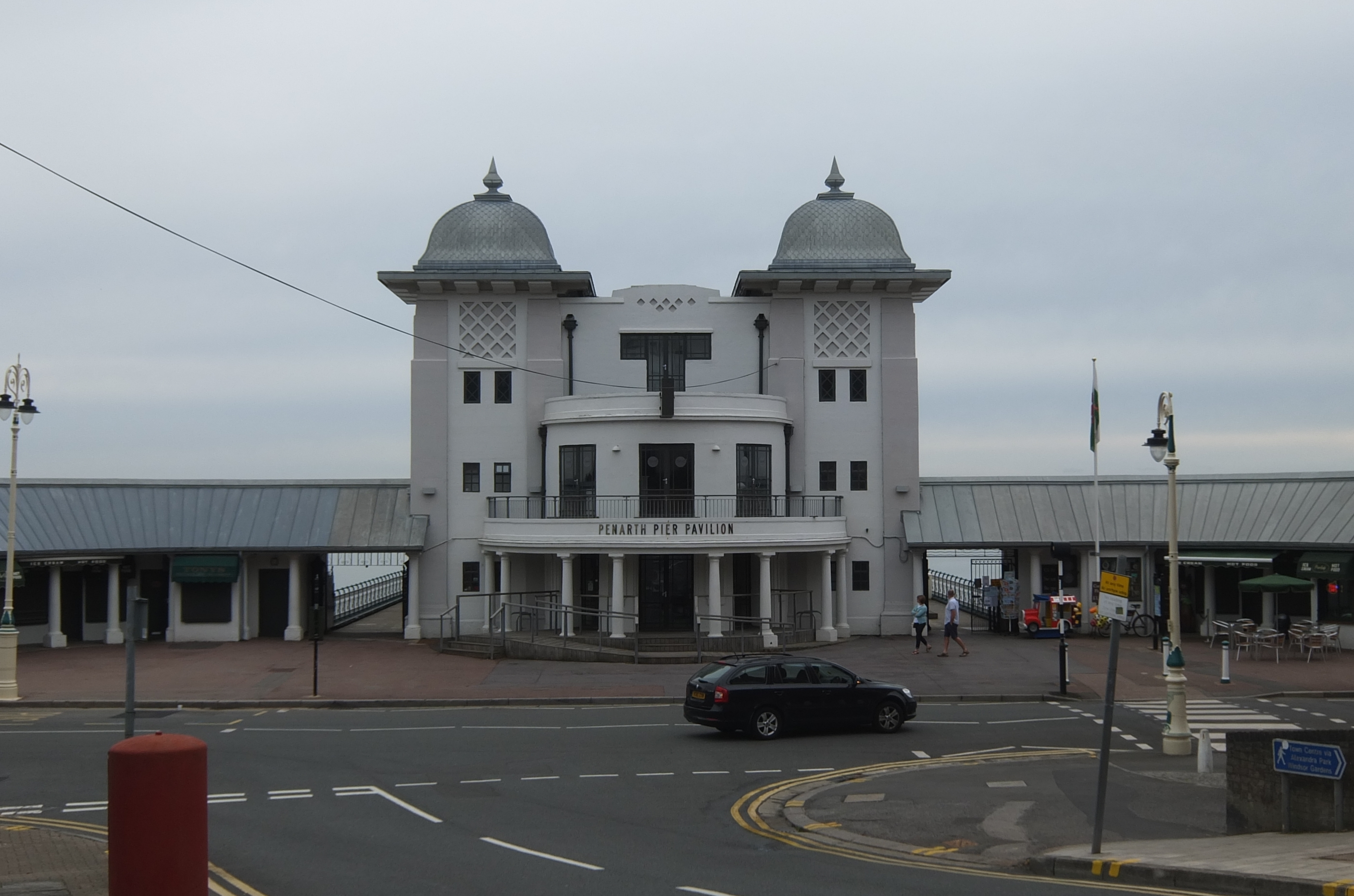
First view of Penarth Pier Pavilion

Well that immediately got me thinking of treasure hunts. But where in Cardiff would I find my hidden trove? The answer turned out to be Penarth Beach and I’ll tell you why!

Growing up, I dreamed of becoming an archaeologist, but perhaps without the drama of those Indiana Jones films. Although I never realised this dream, I still experience a sense of awe in learning about different centuries and from visiting ancient landmarks.

DSCF3732
Panoramic sweep of the Pier

My enthusiasm has so far led me to St. Fagans and also to the dig at the Caerau Hillfort. Due to time constraints, I never got to experience the dig at Caerau first-hand, so you can imagine my excitement upon hearing about Penarth Beach’s abundance of fossils. This is amazing in itself, but then I read about the discovery of an early Jurassic dinosaur at nearby Lavernock Beach, and that really captured my imagination. What if I were to discover an actual Tyrannosaurus Rex? Well, I decided, there’s only one way to find out…

And so I hopped on the next train with my bucket and spade, determined to make at least one discovery of a fossilised nature. That Penarth Beach is home to many fossil remains certainly isn’t what you’d call a well-kept secret. Over-collection could be an issue. But I’d also heard that it’s still possible to find at least one good example per visit. Feeling particularly optimistic, I decided to put this theory to the test.

DSCF3724
Penarth Beach looking South towards Flat Holm

The Pier is the defining landmark. To the right of the Pier you have the flower-decked Esplanade leading to Lavernock Beach. To the left are the cliffs, which lead up to the Barrage and this is where I decided to explore.

DSCF3726
Looking North at the cliffs

Upon arrival in Penarth, I decided to survey this particular territory from the safety of the Pier. I have to say, the stretch of stone-laden beech didn’t look the most inviting, but I’d arrived so I remained resolute in my mission.

DSCF3756

Once on the beach, I had to watch my footing. The loose stones and boulders make it a challenge. I also felt nervous of getting near the bottom of the cliffs, because I could see evidence of recent rock falls. All in all, I felt like a complete amateur and wished I had sought advice from someone ‘in the know’ beforehand. My problem lay in determining what kind of rock would bear fruit, as there are so many different varieties on this beach.

DSCF3772

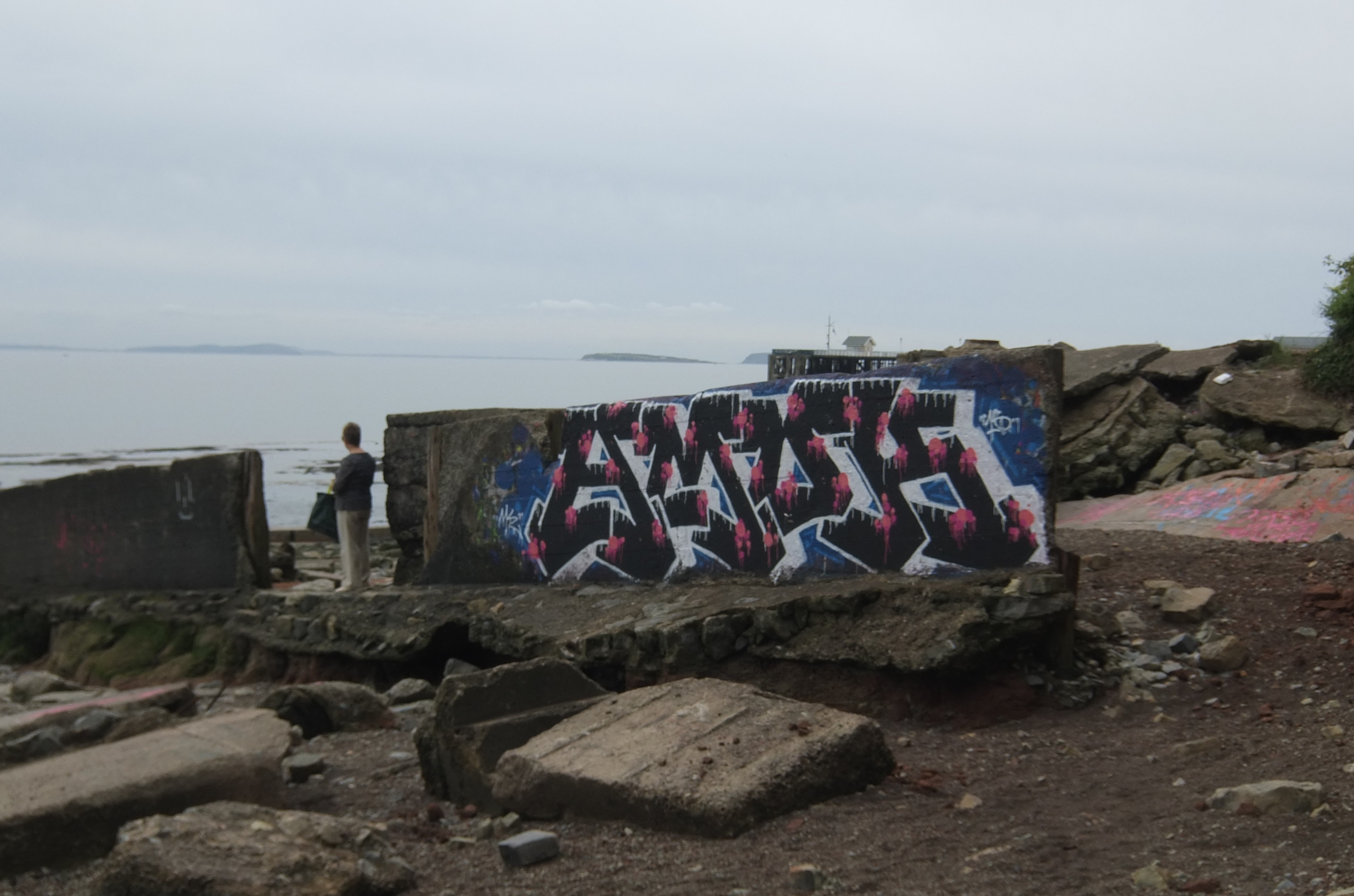
What surprised me about this stretch of coast is the hint of more recent historical periods. There are the foundations of what look like nineteenth or early twentieth century buildings. It certainly got me thinking about what the purpose of these now ruined buildings had been and how they had reached their current state. To think in centuries to come, archaeologists could be exploring these sites for clues as to how we live now.

DSCF3781

My mission to find a precious artefact seemed to be going nowhere, however. After a couple of hours of searching I decided to head for the Pier for my cod and chips.

DSCF3780
The remains of a brick with socket-holes that almost look skeletal


DSCF3805
Could this be the impression of a beetle or a crab?

I made my most interesting discovery upon leaving the beach for the Pier. I found a stone with what looks like the impression of a hard-shelled creature. Could it be the markings of a beetle or a crab? Whatever the origin, the shape looks too symmetrical to be accidental.

One thing for certain is that this ‘find’ has certainly wetted my appetite and I shall return. Maybe I’ll see you there?

You can find more information about fossil hunting at Penarth Beach here:

U.K. Fossils Network Website

And here’s more information about the Penarth Beach dinosaur discovery:

Penarth Times website

Thanks for reading. I hope you will enjoy my photo gallery. Until next time!


DSCF3798
Penarth Pier on a ‘sunny’ August day
DSCF3747
Underneath the Pier

DSCF3757

DSCF3778

DSCF3774

DSCF3762


DSCF3803
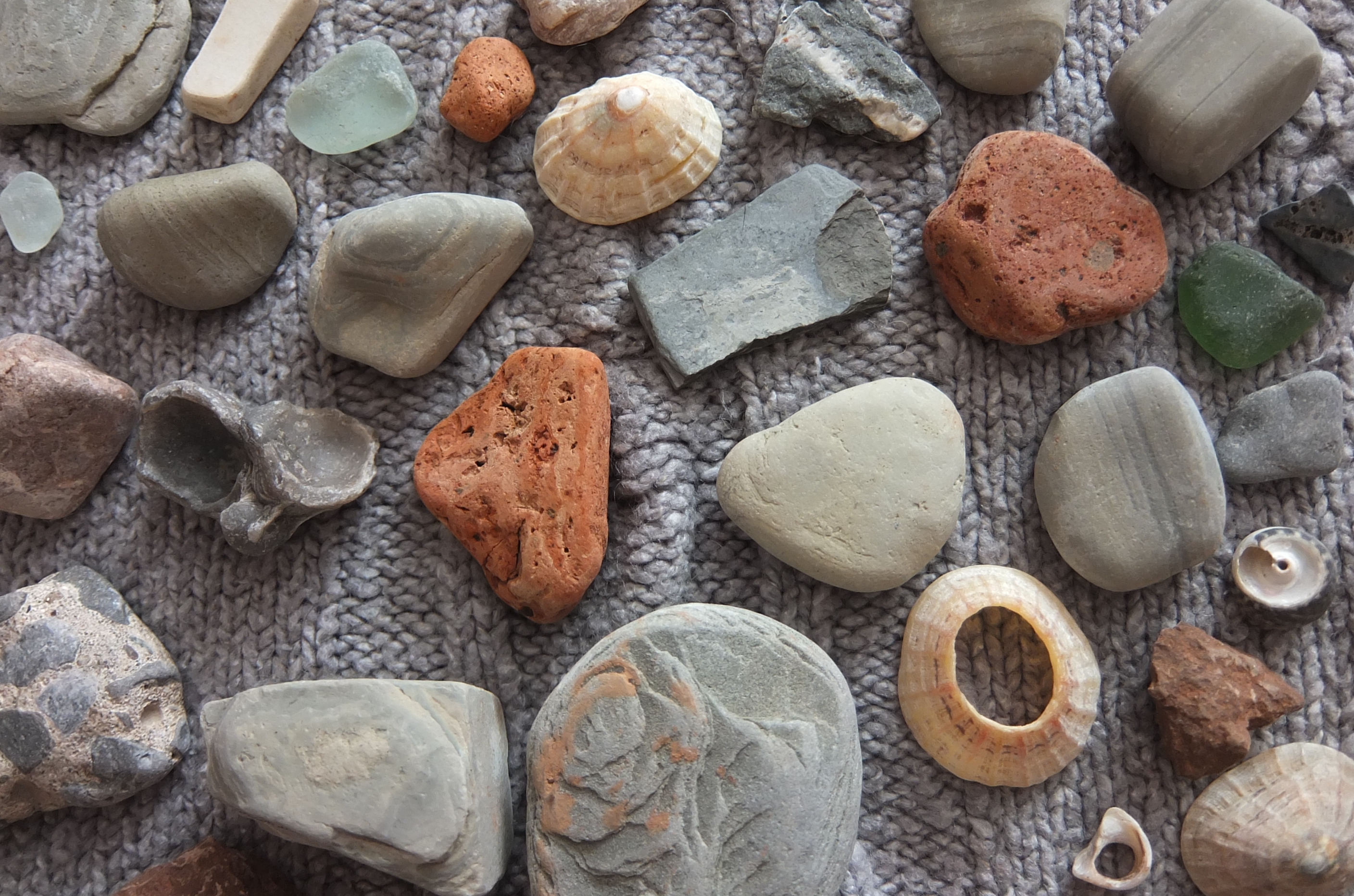
Some of my ‘finds’

Giant spider webs due to hit Bute Park in August 2015 …

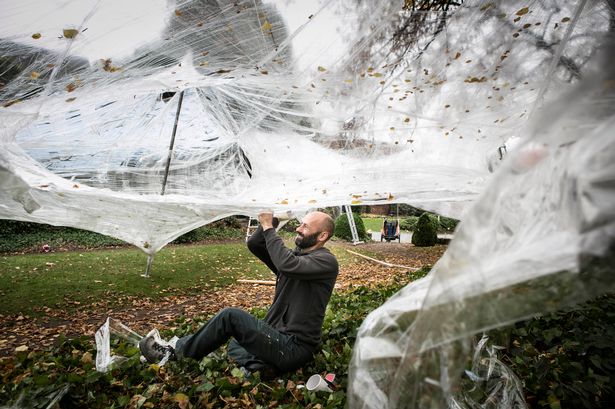
Bad news for the arachnophobes amongst you, TAPE is a giant web-like structure that arts collective Numen will be weaving between the trees in Bute Park for people to climb inside this August 2015.

Walk inside a sculpture in the trees made entirely from sticky tape!

Numen_Tape

1- 31 August 2015, Bute Park, Cardiff, 8am – 8pm

Croatian artist collective, Numen / For Use, are creating an interactive installation in the trees of Bute Park. Stretched between tree trunks like a giant spiders web or impossible cocoon, TAPE is a network of people-sized tunnels hanging in the air. Numen artist Sven Joke and a dedicated team of local volunteers worked over two weeks, carefully layering transparent sticky tape into an artwork strong enough to carry human weight.

TAPE’s organic form gradually evolved, nesting in one of Cardiff’s most accessible natural environments. It is for everyone – inspiring us to experience our park in a brand new way. There have been a number 0f different installations around the world, including Paris, Tokyo, Melbourne and Stockholm. Cardiff’s unique TAPE is the UK’s first public TAPE artwork.

After the exhibition is over, the art will be carefully removed and recycled into bird houses, specially designed by Numen artist Sven Jonke.

Giving Nature a Home in Cardiff is delivered by RSPB Cymru in partnership with the City of Cardiff Council and funded by Tesco customers through the Welsh Government’s carrier bag levy. Delivering free outreach sessions to all primary schools in Cardiff and free events for families, the project aims to put frogs, autumn leaves and muddy knees back in to childhood to help inspire the next generation to look after our city’s amazing wildlife.

“Giving Nature a Home in Cardiff is so excited to be part of TAPE; a completely unique experience with nature from a totally new perspective – close to being a spider or a moth!” says Carolyn Robertson, Project Manager – Giving Nature a Home in Cardiff. “Tape is the perfect excuse to go wild in the city and spend an unforgettable day in Bute Park. We wish everybody who climbs inside TAPE a truly magic moment in the trees.”

Our advice? If you don’t like spiders, stay out of their webs…

***

Sign up for the weekly We Are Cardiff newsletter

A Sound Reaction: chat from Cardiff music man, Dave Owens

Look around any decent Cardiff gig and you’ll probably see this guy somewhere in the venue, wearing his coat and holding a pint. His name is David Owens and he’s been mad about music in Cardiff for longer than he’d care to remember. It’s taken me nearly three years of harassing, but finally, he’s given in and done me an interview, about his upbringing in Cardiff and the music that he chased around the city.

david_owens

What was Cardiff like for you, growing up?

This was the 70s and 80s, so I knew little beyond my immediate circle of family (mum, dad, one brother, one sister – both older than me) and friends. We weren’t poor but we weren’t well off either. We lived in a rented council house, so my adventures were confined to my locale.

Trowbridge was an estate that had been built in the mid-60s and my family were one of the first to move in. As luck would have it, many of the neighbours’ families were of a similar age, so I had plenty of children my own age to play with. Looking back I was incredibly lucky, because remember this was another age when you could play out on the streets to late and run around with your mates without fear or inhibition.

We never went on foreign holidays, I never flew until I was 22, but we would go to Barry Island and Porthcawl, and for me that was glamour and wide-eyed adventure personified. I never knew much of the rest of Cardiff, save Grangetown and Tremorfa where my nan and gramps lived. And their houses seemed like relics from a bygone age compared to the council estate I lived in. The house in Tremorfa I loved, because my nan had a massive pantry I would hide in. She also made incredible cakes! They lived near to Splott Park and I would spend endless summers watching the holidays drift by in the park playing on Jessie the steam locomotive that was positioned in the park. Sadly it was removed in 1980 due to vandalism.

Grangetown was also a joy because my nana and grampy lived in a rambling three storey Edwardian Turner house with all the original features. So visiting them as I did every other Saturday on the way to Ninian Park to see Cardiff City play with my brother was always memorable, as much for the homemade chips and bread and butter she would ply us with. They also had a real coal fire that was the burning heart of the house, a godsend in winter, and as warm and as welcoming as they were.

When did you start getting into music? What was the music scene like for you, growing up?

I loved music from an early age. My mum tells me I was always singing along to songs on the telly and was an avid watcher of Top Of The Pops. I had an older brother and sister who were my musical barometer. My brother Stephen was into the likes of Smokie, Dr Hook, Gilbert O Sullivan and Barry Manilow. So it was enough not to be turned off music for life. However he also love ELO and Status Quo. And there were two songs in particular that his little brother loved – Rockin’ All Over The World and Mr Blue Sky. I have vivid memories of those two songs on repeat on the old music centre we had. It was like a wooden submarine with a record player and radio in it. It was massive.

My sister meanwhile initially loved The Bay City Rollers, who I detested, as was my wont as her little brother – we’re there to take the piss, it’s our role. She then graduated to Roxy Music and loved loved LOVED Bryan Ferry, whose perpetually wonky vocals I would mercilessly ape much to her annoyance obviously. When she started seeing my brother in law Stuart, (see accompanying story) that’s when my tastes changed and I underwent musical puberty – if you like. However, I later grew to love Roxy Music and still do thanks to my sister.

By the age of 10 I was a mini-mod and wore a parka to junior school. Remember this was a glorious time to be a kid into music. This would be 1978/1979/1980. The music scene was a glorious amalgam of tribes – mod/punk/two-tone/new wave/new romantics – with the most incredible music being made. I loved it all and quickly started buying records from Woolworths, John Menzies and Boots on Queen Street who all sold records/Spillers in the Hayes/Buffalo in The Hayes opposite Spillers and also Virgin Records which was then on Duke Street opposite the castle.

spillers

I can’t remember the first record I bought, but I was immersed in the mod revival scene so it was probably something by The Jam, Secret Affair, The Chords, The Purple Hearts, The Lambrettas or The Merton Parkas. All my pocket money would be spent thumbing the racks. The sound and the smell of vinyl, the shelves laden with albums and singles and even the little vinyl bags they would be housed in just served to fire my imagination. I might have been a mini-mod but I also loved The Specials, Madness, Bad Manners, The Selecter, The Beat, Dexys. Squeeze, Blondie. I could go on – it was a golden era for music and I was lucky enough to grow up during this incredible period.

Can you tell us a bit more about the bands you saw here in Cardiff in your youth?

If you’re in your 40s or older and lived in Cardiff during the ‘80s, there’s every chance you would have heard of the New Ocean Club. Set three miles from the city centre, nature and industry clashed at the crossroads of eastern Cardiff amidst the mudflats of the River Rumney’s tidal estuary and the smoke-choked East Moors steelworks that dominated the landscape. For reference sake it was situated between Tesco and the Fitness First (or whatever it’s now called) in Pengam.

A peculiar location perhaps, but on stepping through the doors of this unremarkable single-storey building, you entered another world altogether. An old-school social club, formerly known as The Troubadour, with a sprung hardwood dance floor, revolving stage and huge mirror-ball that bathed all beneath it in shimmering moonlight, it was the venue around which my formative musical education revolved. It was a proverbial mecca for any teenager demonstrating a pubescent yearning towards music that eschewed the mainstream. It was the place where, in the early ’80s. I first encountered then-aspiring US alt-rockers REM, crowd-pleasing Welsh tub-thumpers The Alarm, and the bellicose Bard of Barking Billy Bragg, as well as faux mod-soul acts such as The Truth, Small World and Big Sound Authority.

It was where I first wielded a tape recorder in anger as an aspiring fanzine writer, fanning the flames of my journalistic fire. It was a pivotal point in my musical rites of passage and will forever conjure up the sights, sounds and smells of yesteryear; of beer mats on bars, of long-lost brews such as Allbright Bitter and Double Diamond, the inexorable ebb and flow of youthful exuberance pulsing across the dance floor – and of clothes steeped in the stench of smokers’ fumes.

It was also the venue at which I promoted my first-ever gig, a three-band bill headlined by Cardiff power-pop favourites A Sound Reaction – the outfit from which this column takes its name – alongside youthful modernists The Choir (from Cambridge) and The Revenge (from High Wycombe). I was 15 or 16 (I looked older in fairness to door staff who rarely quizzed me on the finer points of my birth certificate). The details are hazy, and just how I staged the show fuzzier still, given all the arrangements were made from a phone box – not for our generation, the luxury of mobile phones and the internet!

The New Ocean Club closed not long after, the sustainability of what was a relic from a fast fading and quickly forgotten era finally catching up with it. As the mid to late ’80s hoved into view, my focus shifted. Five or six years before Wales became the citadel of rock ‘n’ roll reinventing itself as Cool Cymru, the local music scene in the late ’80s was as grey as the slate scratched sky and as dark as the prevailing political mood.

Back in the days when Chapter Arts Centre promoted live music most nights of the week in the original Chapter Bar, it was a dimly-lit room rather than, what the bar is nowadays, a communal gathering point for the practice of borderline alcoholism and the discovery of manifold European brews.

There I marvelled to a slew of wonderful bands, fantastic should-have-beens such as Papa’s New Faith (featuring Alex Silva – now in house engineer at Hansa Studios in Berlin, but better known as the producer of The Manics’ Futurology and The Holy Bible), Peppermint Parlour (starring frontman Alan Thompson he of Radio Wales fame), The Third Uncles ( a cabal of literate art pop dandys) and The Watermelons ( a highly politicised heartbreak trio whose tub-thumping frontman Paul Rosser from the Rhondda was a gravedigger by day).

While Chapter was my main squeeze, Clwb Ifor Bach, The Square Club and The Venue were at various points my bit on the side. Clwb afforded me the opportunity of watch the nascent Cool Cymru movement germinate thanks to the flowering of such bands as Y Crumblowers, y Cyrff, Ffa Coffi Pawb and U Thant – featuring soon-to-be members of Catatonia and Super Furry Animals.

The Square Club on Westgate Street was a den of iniquity a freakish zoo housing tribes of every form – goths, psychobillies, indie kids, Madchester clones and some seemingly not yet classified. The club was famous for its enigmatic manager Frank (no one ever knew his surname), whose past was shrouded in mystery. Recognisable for the trademark white leather cap that never left his head, he had escaped to Cardiff and many believed he was in the witness relocation programme given his fondness for discussing his associations with The Krays. Unforgettable was the in-house DJ The Lizard who spun his discs in a cage mounted on the side of a wall, forgettable were the horrendous toilets which were more public inconvenience, than public convenience – and the place where you could probably have picked up your first swimming proficiency certificate if you were so inclined.

The Venue on Charles Street burnt brightly but briefly – notorious for hosting a gig by The Stone Roses in March 1989 where only 21 people turned up. This was a couple months before their debut album was released and they quickly soared into the strata of superstardom propelled by the golden wings of their sublime debut album. A concrete sweatbox we lost inches off our waistlines in sauna-like conditions while furthering our musical educations thanks to memorable shows by such indie names of yore as The New Fast Automatic Daffodils, Birdland, The Inspiral Carpets and The Pooh Sticks.

Add to this Neros (Greyfriars Road), The Stage Door (now Minskys), PCs (City Road), Sams Bar (St Mary Street a/Mill Lane), Bogiez (Penarth Road), The Philharmonic (St Mary Street), Subways (at The Great Western Hotel), The Model Inn (Quay Street), Metros (Bakers Row), and The Dog and Duck (Womanby Street) and the 80s alternative thrillseeker had plenty to satisfy their cravings outside of the mainstream.

***

Dave Owens is a multimedia news and features journalist at Media Wales. Follow his writings at A Sound Reaction – Facebook page

Sign up for the weekly We Are Cardiff newsletter

W is for the Wales Millennium Centre

Katie Hamer continues her A–Z exploration of Cardiff with an excursion to the capital’s flagship arts building. Here’s what she discovered…

DSCF3656

Who in Wales wouldn’t instantly recognize this show-stopping landmark? Surrounded as it is in Cardiff Bay by other iconic buildings, it still holds its own as a bold design statement. Yet could such a well-known building still yield secrets? This is what I set out to explore.

DSCF3666

Like many others, I have queued up to watch performances on the Centre’s main Donald Gordon stage. I’ve seen everything Carmen the opera to Cats the musical on tour. I’ve seen the stage transform from an ornate palace to a desolate litter-blighted street scene and wondered if it could even be the same theatre.

DSCF3673

Every time I visit I’ve been impressed by how smoothly they run the scene and costume changes and how efficiently they process visitors through the building. But I knew hardly anything about the place that has brought pleasure to so many people both nationally and internationally. So I jumped at the chance to go on a guided tour of the Centre, tours of which take place twice daily nearly every day of the year.

DSCF3692

I won’t reveal all the secrets I uncovered, but I will let you know a few things which should be common knowledge, but surprisingly, they’re not.

For instance, I’ve often looked up at the copper-coloured exterior of the main building perplexed at the split between the Welsh language on the left and the English language on the right. Could they be a literal translation? Wrong as it turns out. The Welsh means something entirely different.

IMG_5183

The English, In These Stones Horizons Sing acts as a conversational response to the Welsh rather than an echo. The Welsh, Creu Gwir fel gwydr o ffwrnais awen actually translates as Creating truth like glass from the furnace of inspiration. This is particularly apt, as the glass that makes up this eye-catching calligraphy comes straight from the furnaces of Swansea Institute. Indeed, much of the construction material has been sourced within Wales, making the Centre truly routed within its heritage.

And did you know that they used different shades of glass throughout this installation? Neither did I. So I was fascinated, upon this discovery, to see how the various colours change in intensity depending on the time of day and weather conditions.

DSCF3700

Sitting in the main theatre and seeing the backstage areas including one of the main dressing rooms is another perk of the tour, although photography in these areas strictly prohibited for copyright reasons. I stood in the backstage surrounded by the easily three-storey tall walls and heard the orchestra rehearsal reverberating around the whole space. Then I realized that it wasn’t the whole orchestra, but just a few musicians, making it even more incredible. That’s the advantage of a purpose-built theatre designed to create the best acoustic technology around.

DSCF3680

The Wales Millennium Centre isn’t just a great place for theatrical and musical performances. It is also the home of arts organizations such as Literature Wales, The BBC National Orchestra for Wales, the Arts Council for Wales, and the Welsh National Opera, among others.

DSCF3688

There are bars and restaurants, and huge areas of the ground and first floor are open for the public to roam. Throughout the year, various artists use the public areas to show off their latest inspirations. For instance, upon my visit, I witnessed the Relics exhibition by Matt Wright, which runs from 20 June to 23 August. Relics is:

a multifaceted contemporary art project based around a series of short term, publicly accessible, site-specific art installations featuring a newly developed photographic medium known as the photosphere.’

DSCF3664

These photospheres capture images of other iconic buildings and places within Wales such as Tintern Abbey. Seeing these crumbling buildings and coastlines floating like air balloons within the altogether more modern and neutral environment of the Centre does lend to them a surreal quality that is worth exploring if you happen to be passing by. It’s great to see how many different ways the building can be utilised.

DSCF3670

And there are also free performances on occasion, on the ground floor Glanfa stage, around the building and outside, details of which can be found on the Centre’s website. Quite often these coincide with the main performances in the Donald Gordon Theatre and show how the Centre is always giving back most generously to it’s many visitors.
 

You can find more information on What’s On at the Millennium Centre here:

Wales Millennium Centre Website

Thanks for reading. See you next time.


BBC Cardiff Singer of the World – portraits by Lorna Cabble

The BBC Cardiff Singer of the World competition takes place every two years in Cardiff, when 20 of the finest classical singers at the start of their careers come to the capital of Wales, hoping to win this prestigious singing competition.

Cardiff Singer of the World contestants

You can find more information about the competition here: BBC Cardiff Singer of the World.

We sent photographer Lorna Cabble along to take some portraits of the contestants …

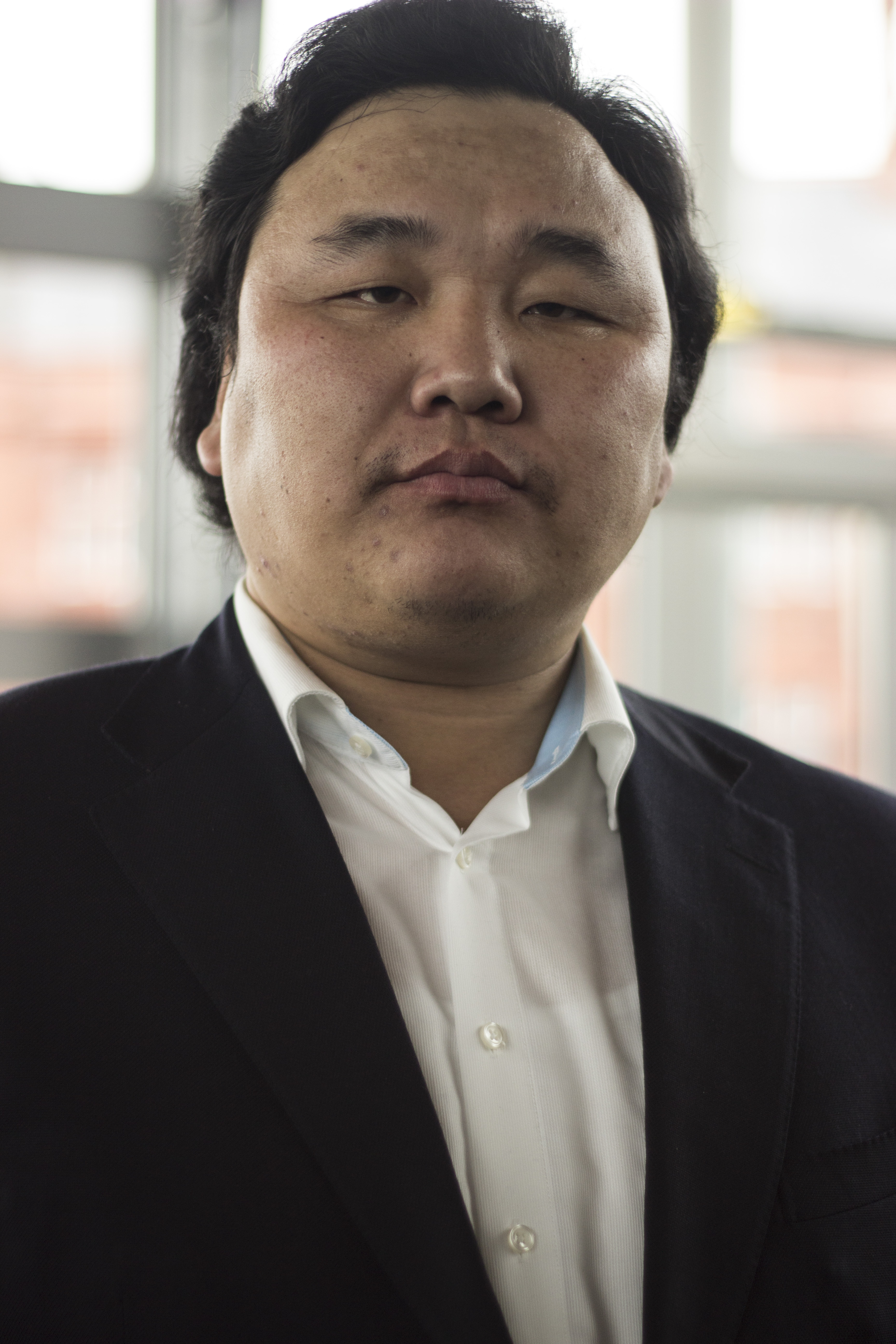
Amartuvshin Enkhbat - Mongolia
Amartuvshin Enkhbat – Mongolia
Anaïs Constans - France
Anaïs Constans – France
Aviva Fortunata - Canada
Aviva Fortunata – Canada
Bass Sebastian Pilgrim - Germany
Bass Sebastian Pilgrim – Germany
Blaise Malaba - Congo
Blaise Malaba – Congo
Céline Forrest - Wales
Céline Forrest – Wales
Ilker Arcayürek - Turkey
Ilker Arcayürek – Turkey
Ingeborg Gillebo - Norway
Ingeborg Gillebo – Norway
Insu Huang - South Korea
Insu Huang – South Korea
J'nai Bridges - America
J’nai Bridges – America
Jaeyoon Jung - South Korea
Jaeyoon Jung – South Korea
Jongmin Park - South Korea
Jongmin Park – South Korea
Kelebogile Besong - South Africa
Kelebogile Besong – South Africa
Lauren Michelle - America
Lauren Michelle – America
Marina Pinchuk - Belarus
Marina Pinchuk – Belarus
Nadine Koutcher - Belarus
Nadine Koutcher – Belarus
Nico Darmanin - Malta
Nico Darmanin – Malta
Regula Mühlemann - Switzerland
Regula Mühlemann – Switzerland

***

Sign up for the weekly We Are Cardiff newsletter


Cardiff! Confess to the Invisible Ink Theatre Company!

The Invisible Ink Theatre Company are carrying out research in Cardiff for The Terrible Things I’ve Done, a new drama production.

Invisible Ink Ferment Low Res-6604

Now’s the time to unburden yourself, completely anonymously. Have you done a terrible thing? Or had a terrible thing done to you? Terrible things can be big or small. This is your chance to get ‘that thing’ off your chest.

Invisible Ink Theatre Company is in the process of developing a new theatre production called The Terrible Things I’ve Done, and they need your help!

Company members Alan and Sita are collecting stories that will form the inspiration for this new show.

To collect these, the company will be setting up private confessional ‘shops’ at different locations across Cardiff between 6 – 9 July 2015, and they want to invite you to join them and share your secrets.

Alternatively, you can email terrible@invisibleinktheatre.co.uk and you will be sent the questions and can take part that way. No names will be taken, and no blame will be given.

And remember, confession is good for the soul…

Confessors can find the confession booths in the following places:
Monday 6th July – NoFit State Circus 1pm – 6pm
Wednesday 8th July – Little Man Coffee Shop 10am – 3pm
Wednesday 8th July – The Other Room at Porters Bar 4pm – 8pm
Thursday 9th July St Fagans National History Museum 11am – 4pm

The ‘Confessional Shop is a private room. If anything is used it will be altered and only recognisable by you. Confidentiality guaranteed!

Invisible Ink is a company that makes contemporary theatre and is a collaboration between Alan Harris (writer) and Sita Calvert – Ennals (director).
www.sitace.com
Follow them on twitter, @invisbleink15

***

Sign up for the weekly We Are Cardiff newsletter

CARDIFF A–Z V IS FOR VINTAGE: PART TWO

Katie Hamer continues her A–Z series with further discoveries about vintage Cardiff. This time she visits The Castle Emporium, previously the Fashion Quarter until it’s relaunch on St. David’s Day of this year…

DSCF3609

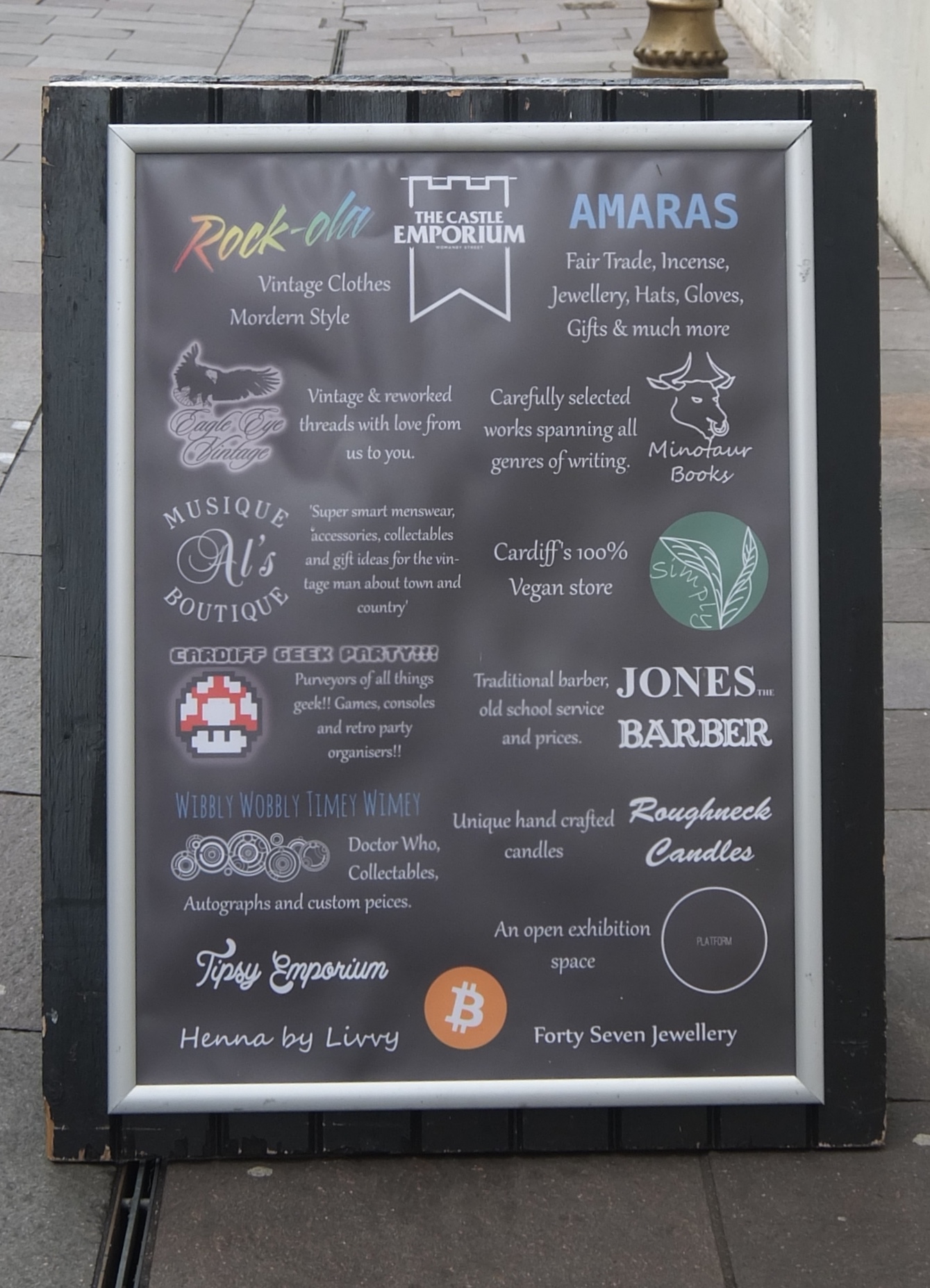
I  didn’t know what to expect when I arrived outside The Castle Emporium. The building undeniably has one of the most recognizable locations. Positioned as it is, close to the Bute (clock) Tower to Cardiff Castle, I had no trouble finding it.

From the outside it’s very plain, with cream-coloured walls that lack any decoration. It would be easy to walk by it without batting an eyelid, as I’m sure Cardiff commuters do every day. All I can say is thank goodness I didn’t.

DSCF3607

Once inside, there’s just this amazing artisan feel. It’s more akin to the pop-up shops that enable small businesses to become established, than the traditional market place. I really got a sense of creative minds, from varying paths, all working together to create this vibrant space.

DSCF3605

My only regret is that I chose a quiet time of the week to visit and not all the businesses were open for trading. The upside, however, was that it did make it peaceful to browse. Of the merchandise I did see, the following made the biggest impression:

DSCF3618

DSCF3618

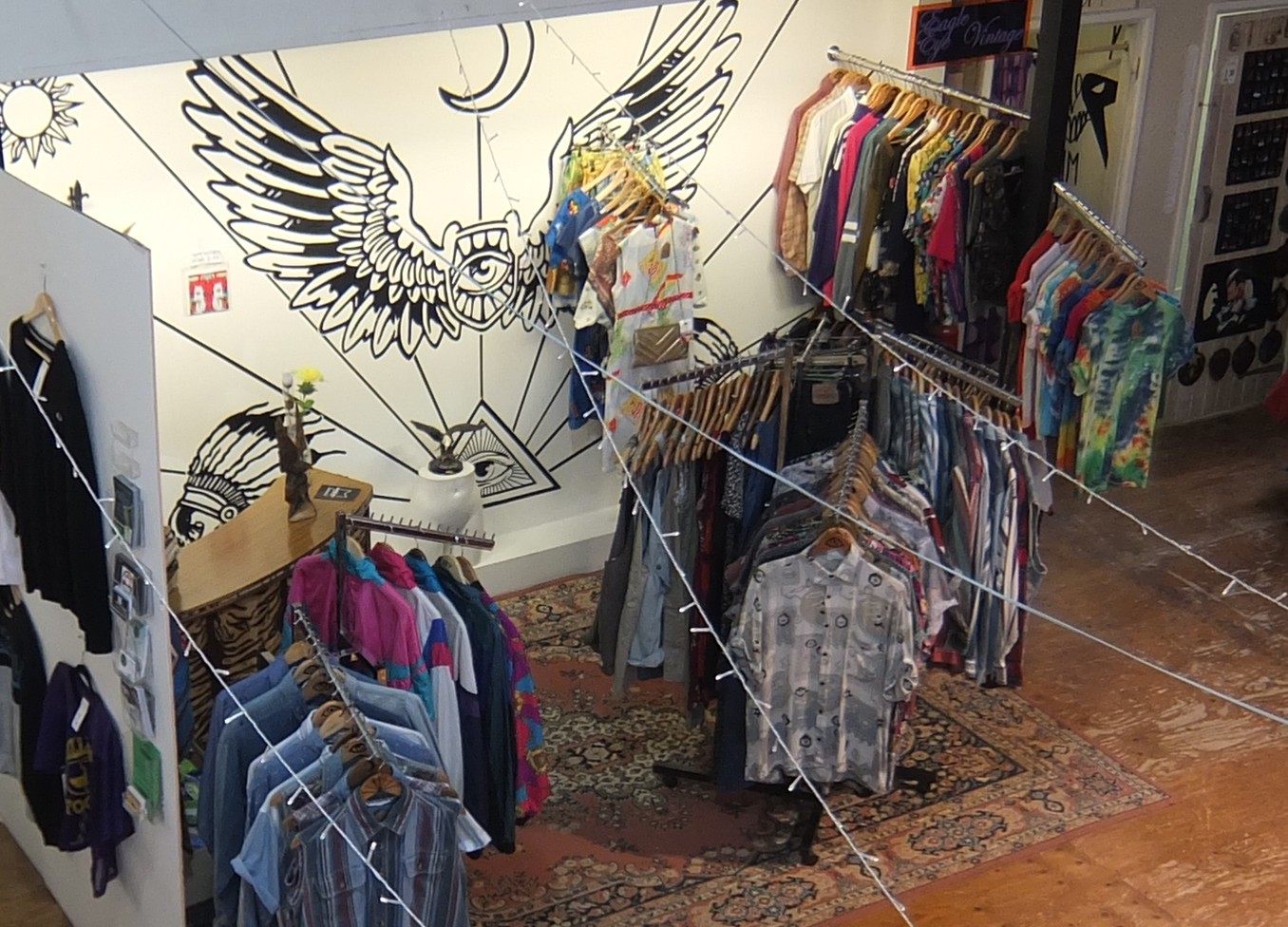
Eagle Eye Vintage

Previously located at Jacobs Emporium, Eagle Eye Vintage got me excited about tie-dyed t-shirts in a way that I hadn’t been by the ones on sale at Hobo’s. They have an interesting range of accessories as well, with some odd looking watches. The giant Eagle Eye logo made this outlet very easy to locate. The wall decorations and the giant Persian rug lend to this space an otherworldly feel, almost like stepping on to a theatrical stage rather than a shop.

You can find more information about them here:

Facebook

Twitter

DSCF3637

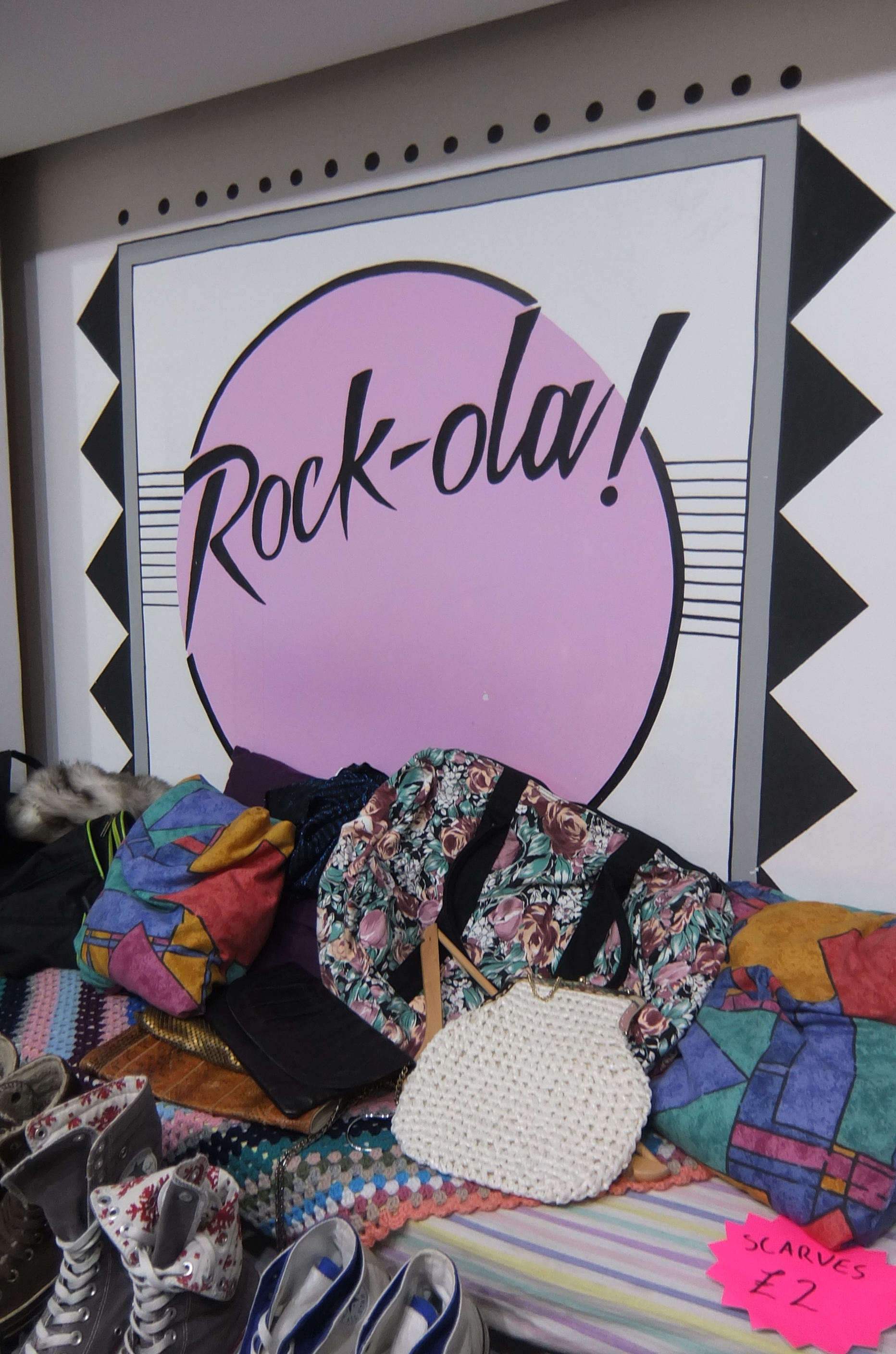
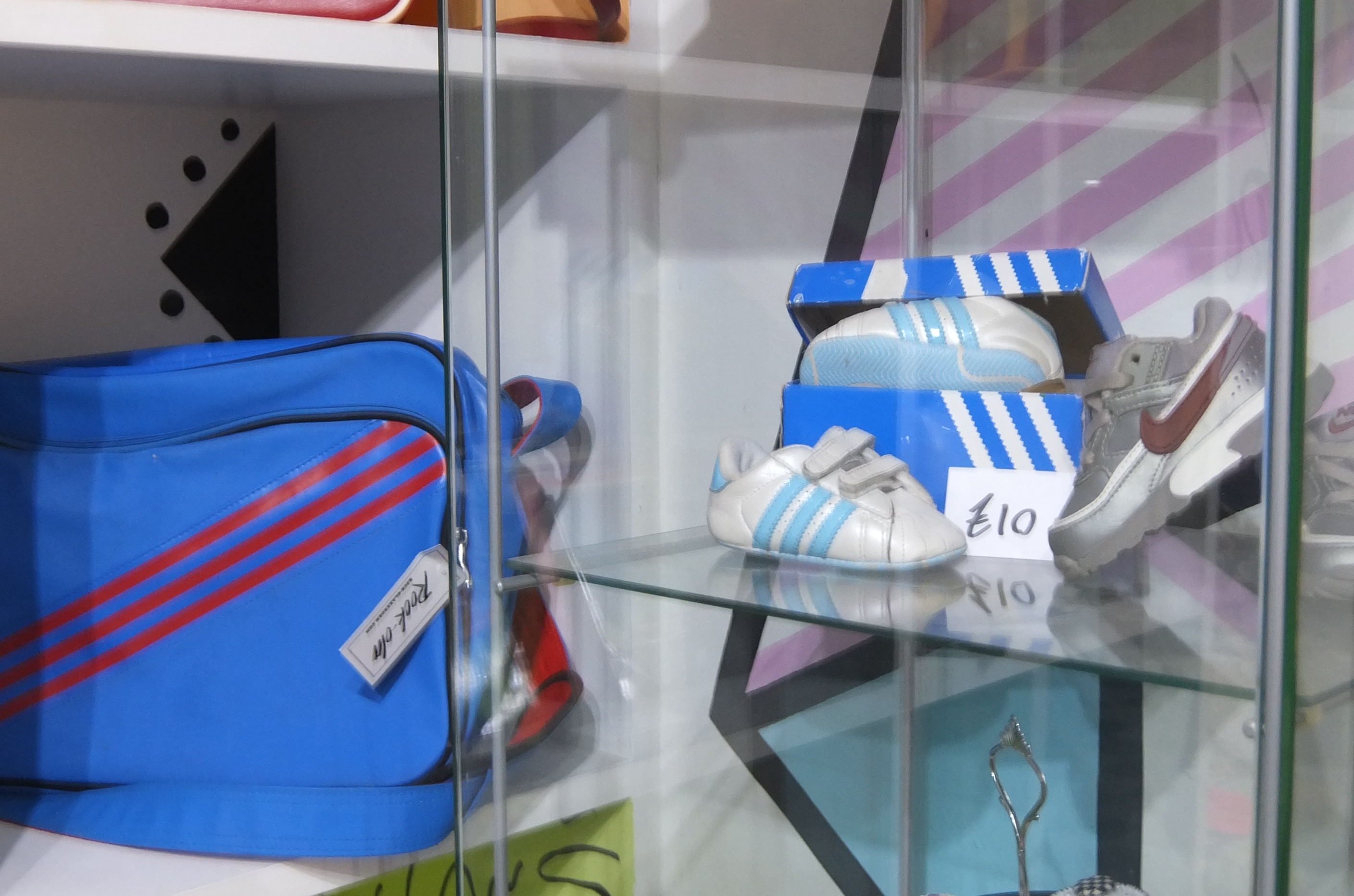
Rock-Ola

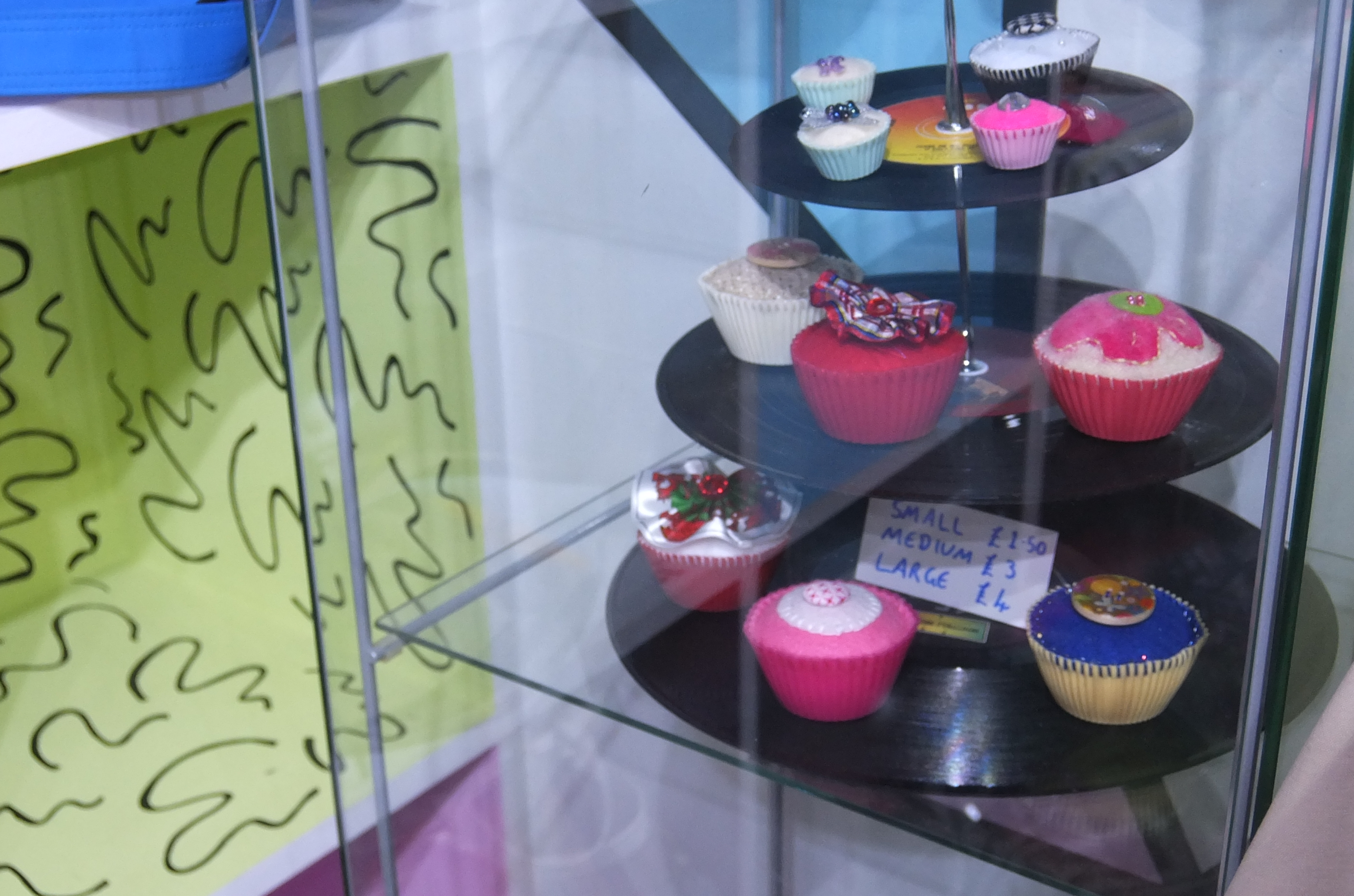
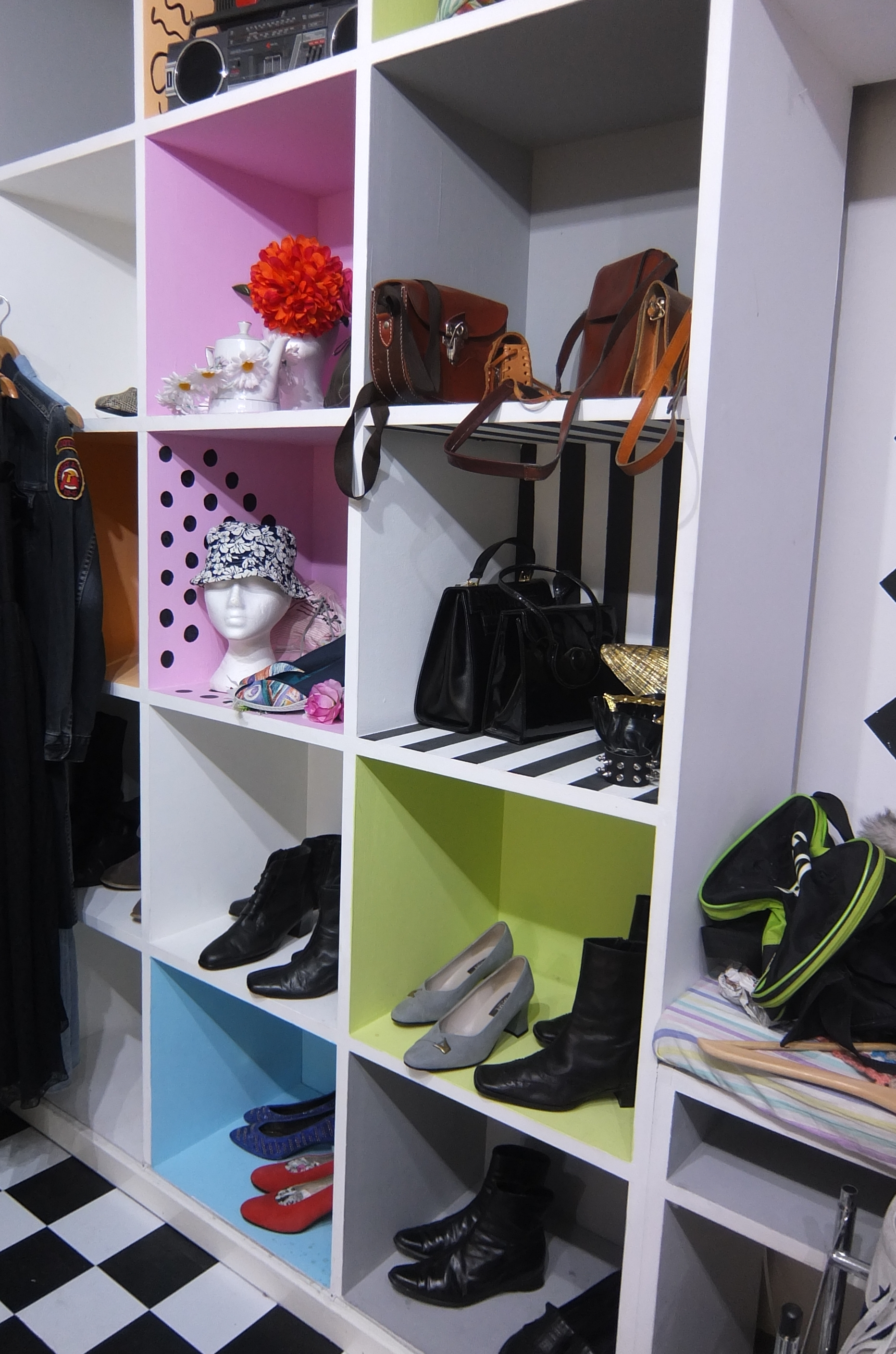
Their slogan ‘Vintage Clothes, Modern Style’ sums this place up. Here clothing and other things from another era are given a new lease of life. There are the Snoopies and Gordon the Gopher as well as retro shoes and denim. Colourful boxed shelves fill the back wall and lend the whole space a Pop Art dimension. Particularly eye-catching for me were a display of cup cakes which sadly turned out not to be edible.

DSCF3636

DSCF3635


DSCF3639


DSCF3638

You can find more information on Rock-Ola here:

Their website

Facebook

Twitter

DSCF3619

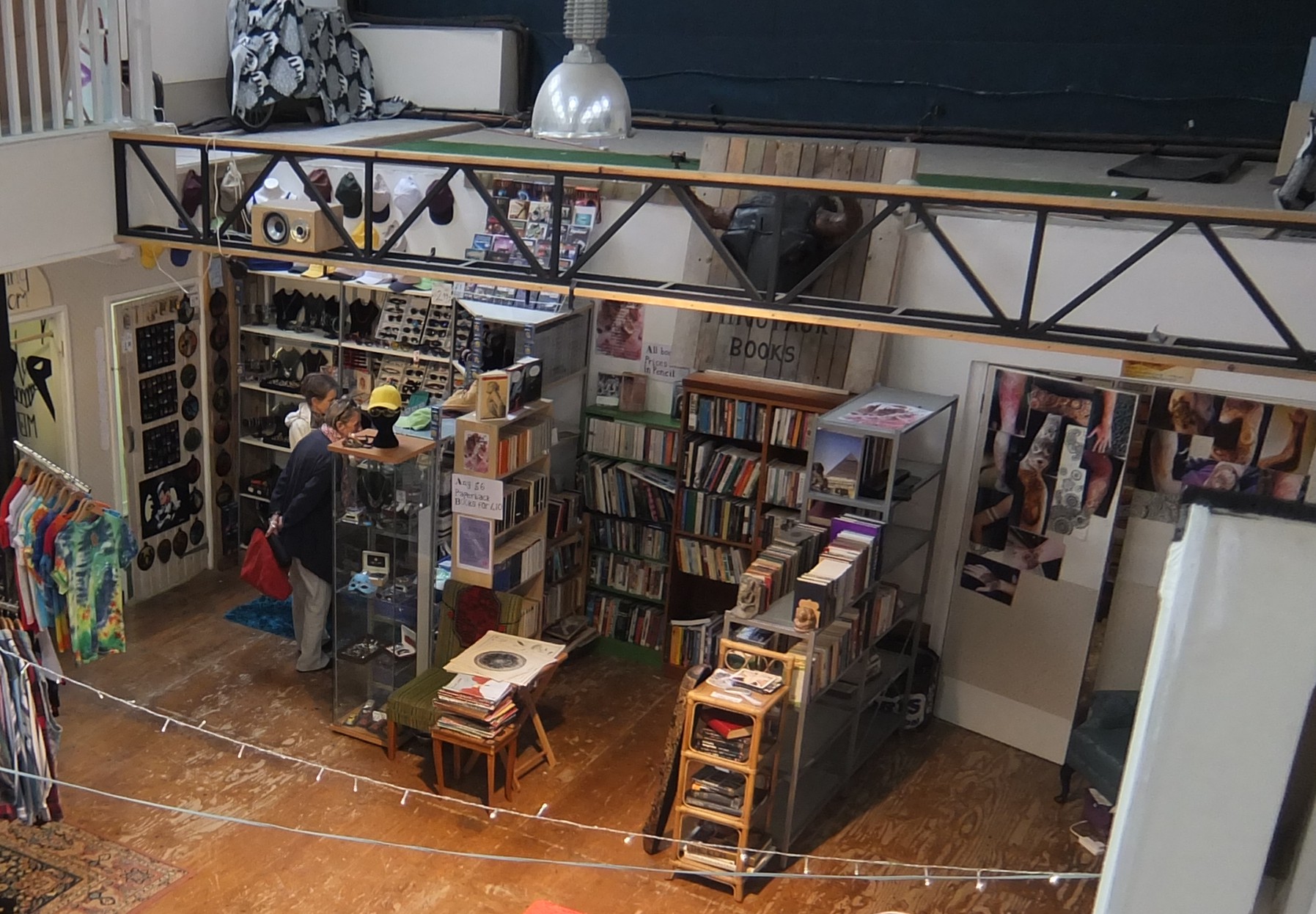
Minotaur Books

Secondhand books with a decidedly vintage feel, overlooked by the head of a giant Minotaur head (mythical half-man, half-beast creature of Greek origins). Books, like vinyl, have taken on an almost mythical status since the advent of digital downloads. Despite the convenience of digital downloads, there’s still nothing quite like owning a physical copy, is there? And here the books, which seem to be in good condition, have a chance of a second or perhaps even third loving home.

I couldn’t find a website for them, although confusingly they share their name with a New York publishing firm.

DSCF3626

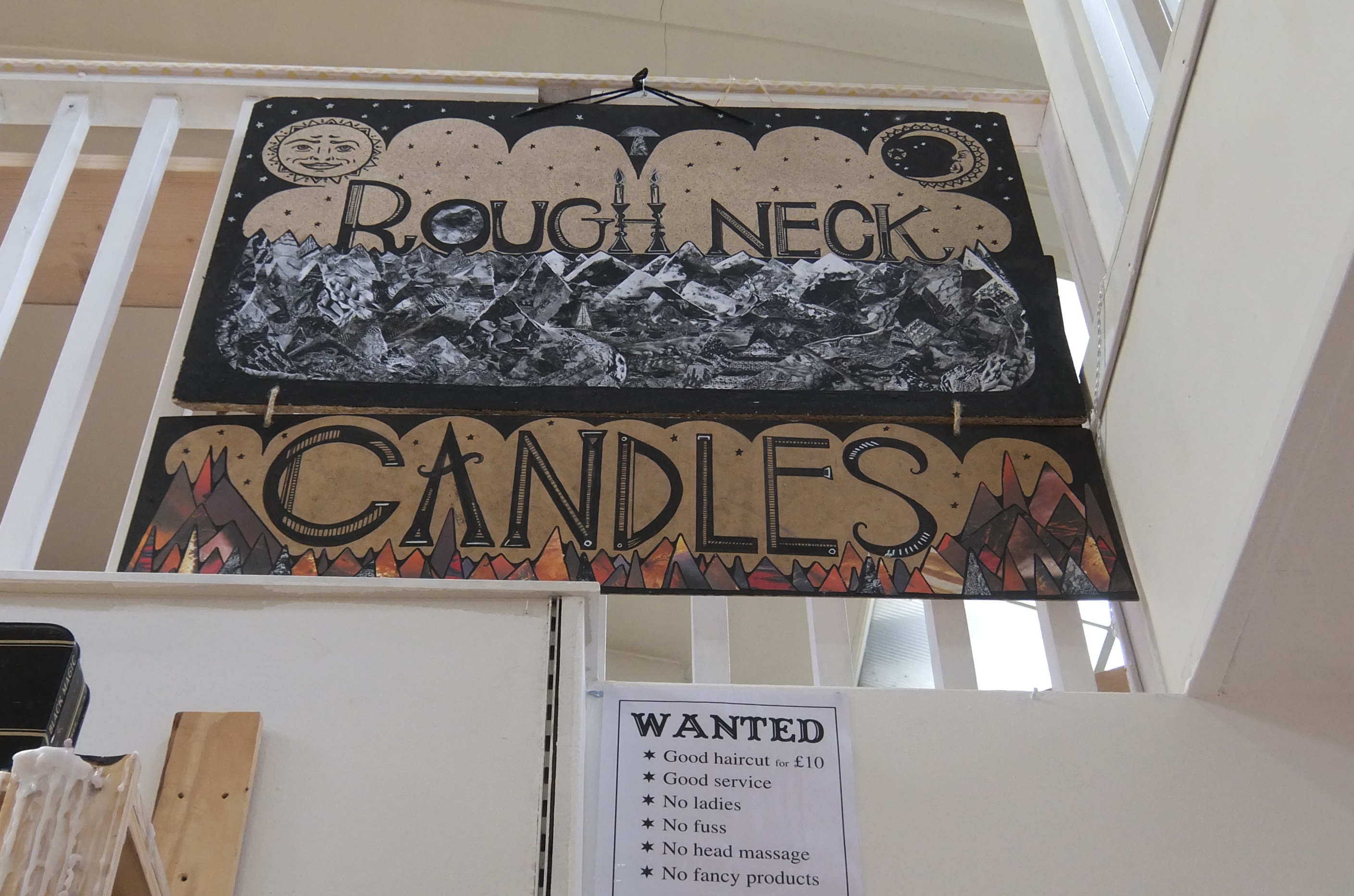
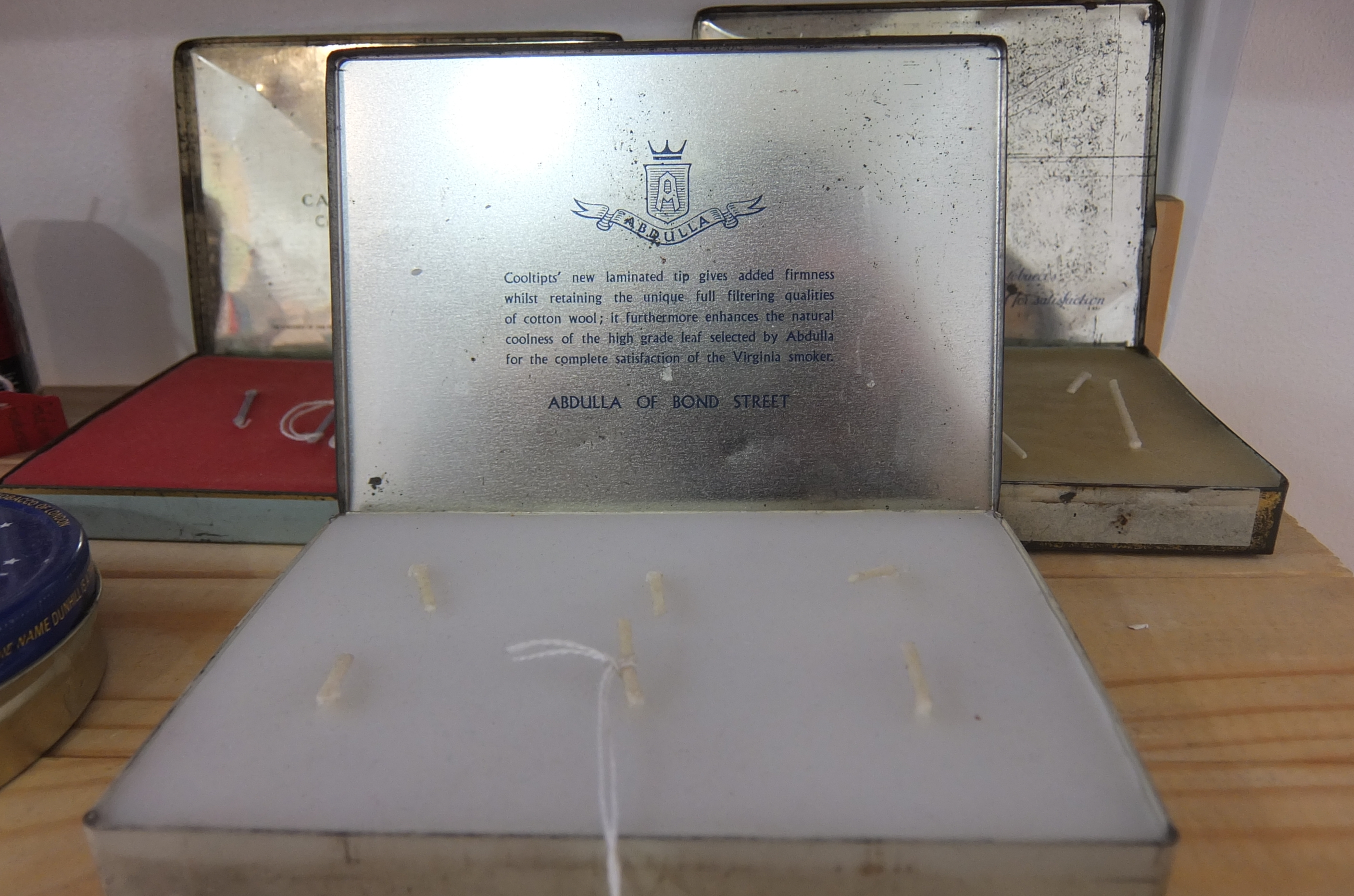
Rough Neck Candles

Candles in vintage tins. A candle with a difference – once the candle’s gone, you still have the tin. A neat idea and they make for an attractive display.

DSCF3628

Jones the Barber

A traditional barber with a shop resembling something you’d expect to find in a museum exhibit from a bygone era. Just perfect for a hair cut or for giving your beard a trim (not mine, you understand!)

DSCF3624

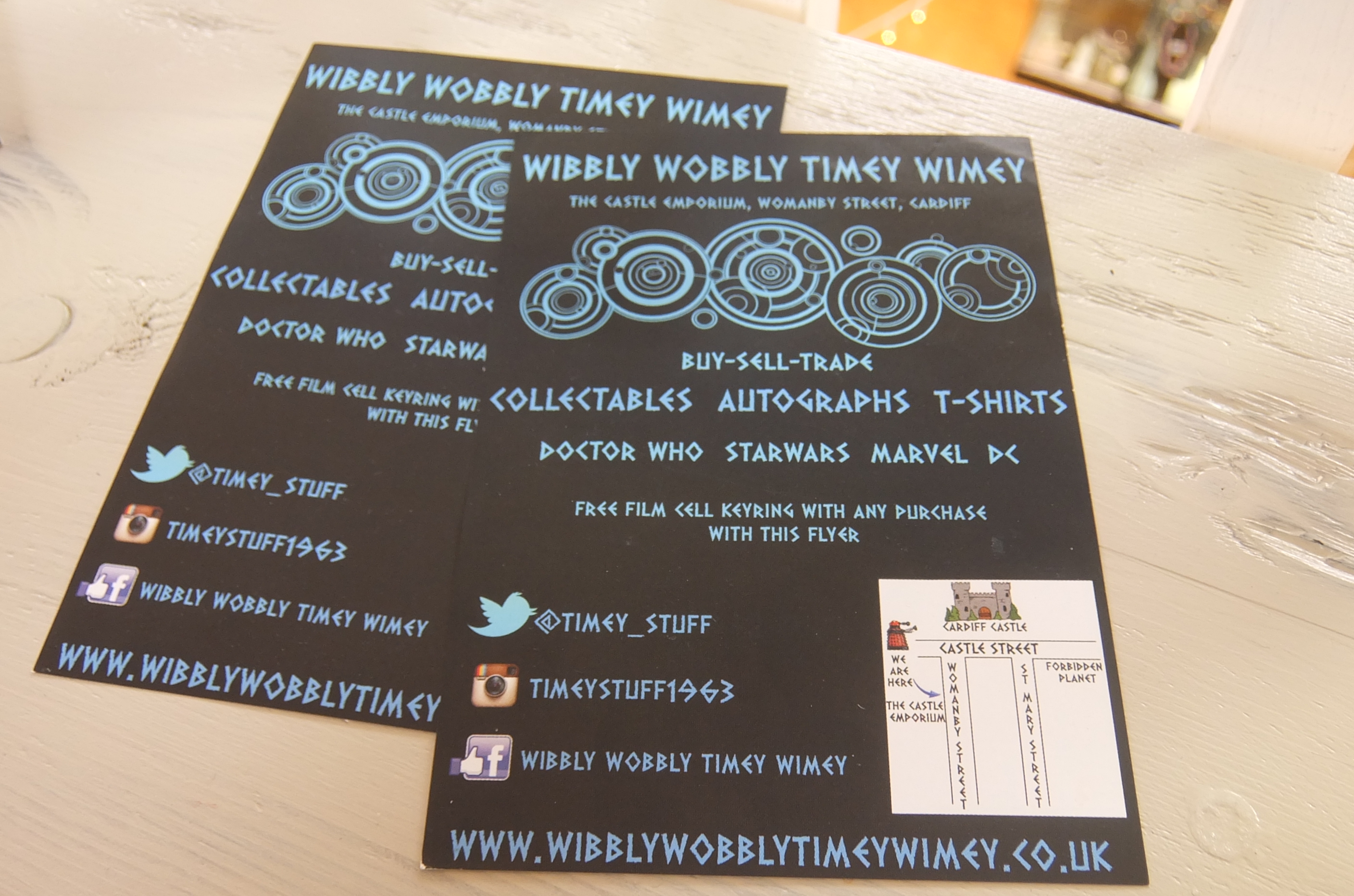
Wibbly Wobbly Timey Wimey

A specialist in Doctor Who artifacts, they weren’t open when I visited, although I did find a flyer promising me a free film cell key ring with any purchase. So perhaps I will return (after some time travel).

DSCF3622

Other places to visit, though not strictly vintage:

An open art exhibition space currently displaying bold paintings from Pembroke artists. There are coastal paintings in highly-charged colours which spring to life when viewed through 3-D glasses (provided). Well worth a visit.

Places I would be curious to see on a return visit, but which weren’t open on a quiet Monday morning:

Simply – Cardiff’s 100% Vegan Store

Musique Al’s Boutique – Super smart menswear, accessories, collectibles and vintage ideas for the man about town and country

Amaras – Fair Trade, Incense, Hats, Gloves, Gifts and much more

Camilleri Photography – Who are all about the photos which purportedly sell themselves, and they do a fine line in portraiture/wedding photography.

So, if you’re into supporting small local business then you couldn’t choose a better place to visit.

Look here for more information on The Castle Emporium:

Facebook

Twitter

Late Night Opening

Watch out for announcements for late night ‘Summer Nights’ openings, the first of which took place last week, future dates yet to be confirmed.

Thanks again for reading. See you next time!